
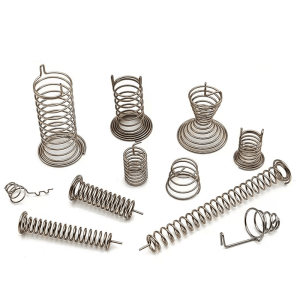
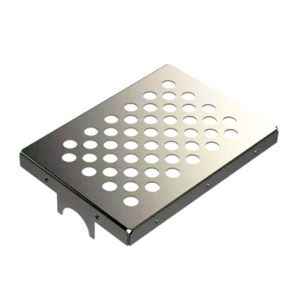
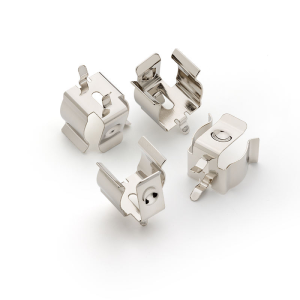
Primary Composition of Terminals and Connectors
Car battery terminals and the mating connectors that attach to them are engineered for two core functions: carry very high DC current with minimal voltage drop, and withstand a harsh automotive environment (corrosion, vibration, temperature cycles). Common material families you’ll see across OEMs and aftermarket suppliers include:
- Lead and lead alloys — historically dominant for battery posts and cast terminals on lead-acid batteries because lead tolerates the acidic environment and offers excellent corrosion resistance. Modern lead alloys (lead-calcium, lead-antimony) are optimized for strength and creep resistance. Note: lead use is subject to regulation, though exemptions exist for certain battery applications.
- Copper and copper alloys (brass, bronze, phosphor bronze, Cu-Sn, Cu-Ni) — preferred for cable lugs, flexible connectors, and stamped/clamped terminals thanks to copper’s superior conductivity. Brass (Cu-Zn) and phosphor bronze add formability and spring properties.
- Tin-plated copper / tinned brass — plating improves solderability and corrosion resistance while keeping high conductivity. Tin is widely used for aftermarket battery clamps and cable lugs.
- Nickel, silver, or gold plating — used in high-reliability or high-current EV/HEV applications where reduced contact resistance and long-term corrosion resistance are critical (silver for conductivity, nickel for wear and corrosion resistance).
- Aluminum and aluminum alloys — used for busbars and some lightweight connectors; aluminum is lighter but requires different joining and anti-corrosion strategies (e.g., aluminum conductors often use aluminum-specific crimps and coatings).
- Steel (stamped, stainless, or plated) — used for mechanical clamps, fasteners and structural parts; steel is not ideal for current carrying without heavy plating but is inexpensive and strong.
Functional Properties Driving Material Selection
When engineering a battery terminal, manufacturers balance several material properties:
- Electrical conductivity: Copper ≫ brass ≫ steel. High conductivity minimizes heating and voltage drop.
- Corrosion resistance: Lead is naturally corrosion tolerant in battery acid, copper alloys with appropriate plating resist oxidation and sulfation.
- Mechanical strength & springiness: For clamp jaws and quick-disconnect features, spring alloys (phosphor bronze, spring steel) give reliable retention force.
- Formability & manufacturability: Thin stamped profiles and complex clips are typically made from brass/bronze or steel because they form accurately in progressive dies.
- Thermal behavior & creep: Terminals must maintain clamping force under thermal cycles—material selection and heat treatment/annealing matter.
- Regulatory & recycling constraints: Lead-containing parts require special handling and regulatory awareness; many Tier-1s move to lead-free connector strategies where feasible.
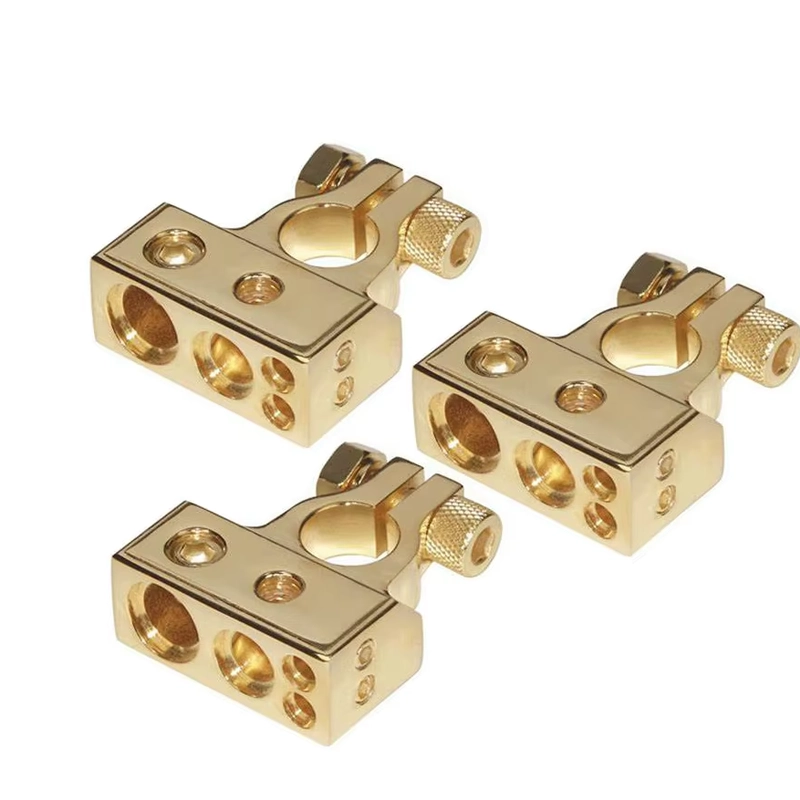
Common Configurations for Terminal Connections
Battery electrical interfaces come in several standard configurations:
- Top post terminals (SAE posts): cast posts on the battery; mating clamps are brass or lead-based clamps.
- Side post terminals: threaded female posts often constructed from brass or lead alloy.
- Stud / bolt terminals: threaded studs welded or cast to the case, often plated steel or brass studs with insulated boots.
- Ring and spade lugs: stamped or machined copper/brass lugs crimped or soldered to cable ends.
- Quick-disconnect clamps and lever-actuated connectors: plated copper alloys or brass with spring steel components.
- Busbars and shunt assemblies: tinned copper or aluminum bars for high current distribution in EV/HEV systems.
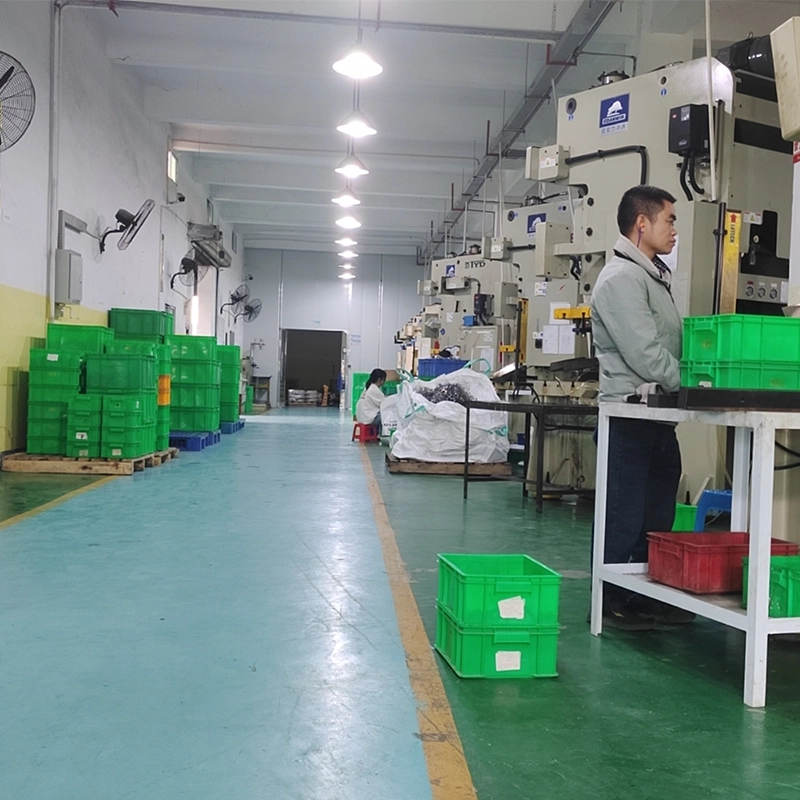
Manufacturing Process of Car Battery Terminals
Producing reliable battery terminals involves multiple metallurgical and fabrication steps. Typical process flow and relevant technologies:
Material Procurement & Qualification
Buy certified copper/brass/lead alloys with material certificates (CoA). For plated parts, specify base metal and plating thickness.
Forming: Casting, Stamping, or Machining
- Casting (die cast / gravity cast): used for lead posts and some brass parts. Casting is ideal where mass and corrosion performance are primary.
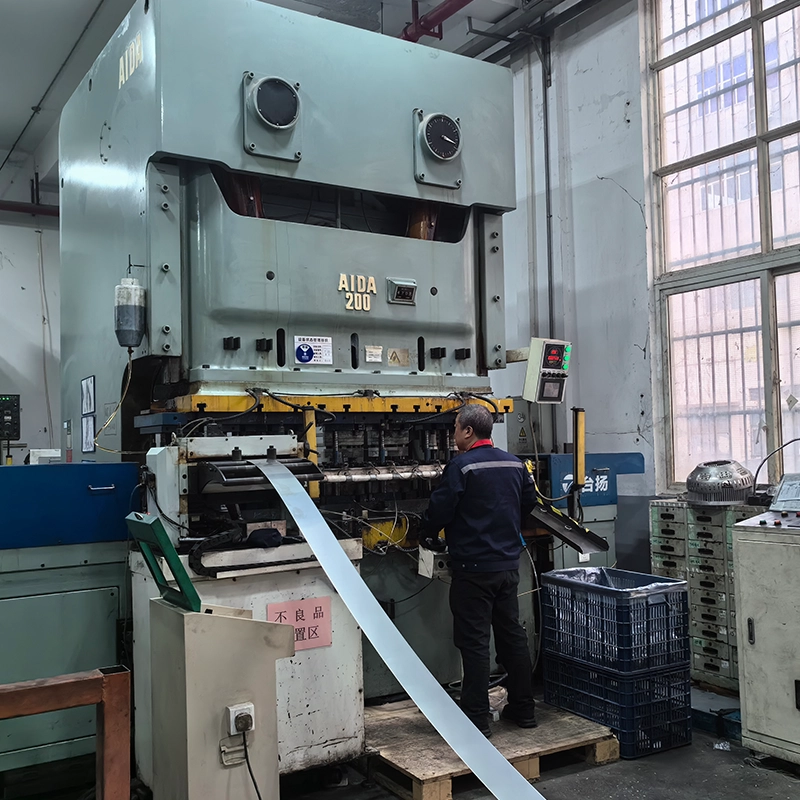
- Progressive stamping and fine blanking: economical for high volumes of brass or copper contact parts, lugs, and clip components. Progressive dies perform blanking, bending, and coining in sequence.
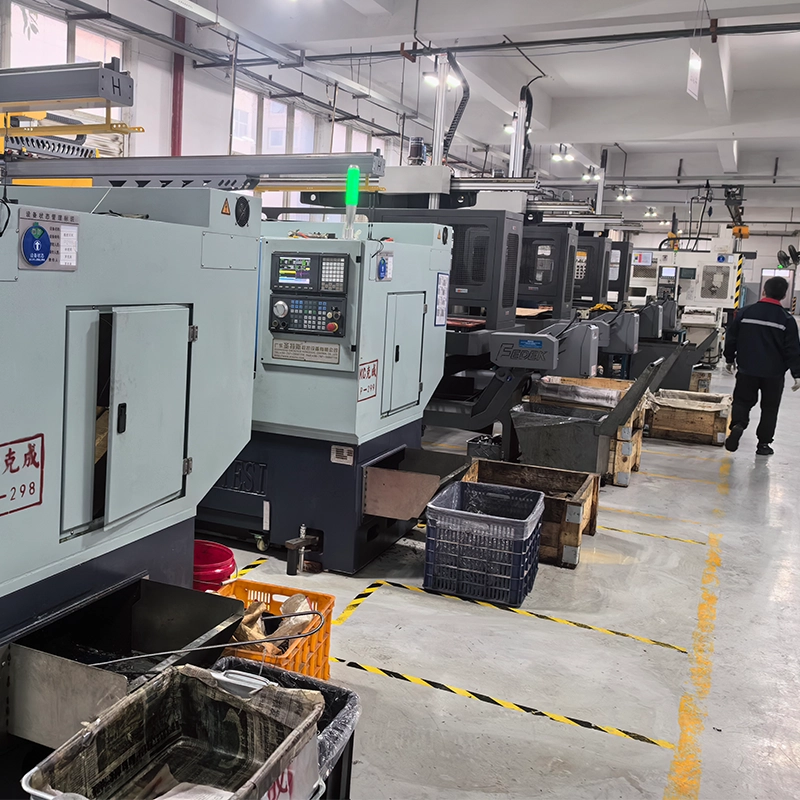
- CNC machining or turning: for precision studs, busbar terminations, or low-volume parts.
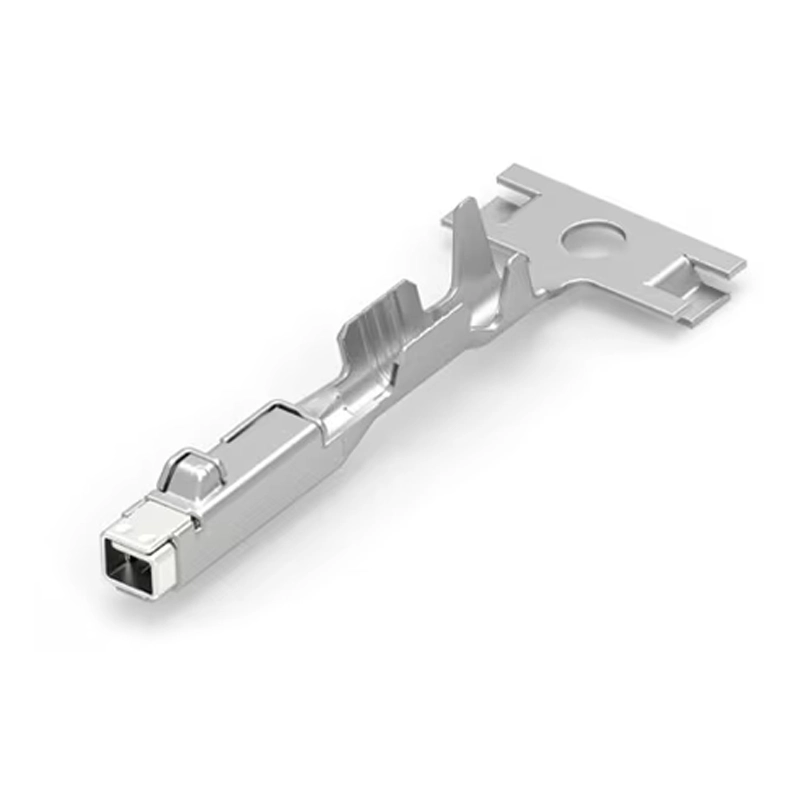
Secondary Forming & Heat Treatment
- Bending, upsetting, swaging to form mating profiles.
- Annealing for copper/brass parts to restore ductility after forming. Heat treatment parameters influence spring and creep behavior.
Joining & Assembly
- Brazing / soldering: common for attaching lugs to cable ends or assembling multi-material parts.
- Ultrasonic welding / resistance welding for copper conductor joints in high-current assemblies.
- Crimping: high-quality hydraulic crimps are standard for cable lugs—proper crimp geometry and tooling are critical for low contact resistance.
Surface Finishing & Plating
- Electro-tinning (most common) or nickel/silver plating to enhance corrosion resistance and solderability. Control of plating thickness (µm) matters for conductivity and mating fit.
- Passivation or anti-corrosion coatings for steel components.
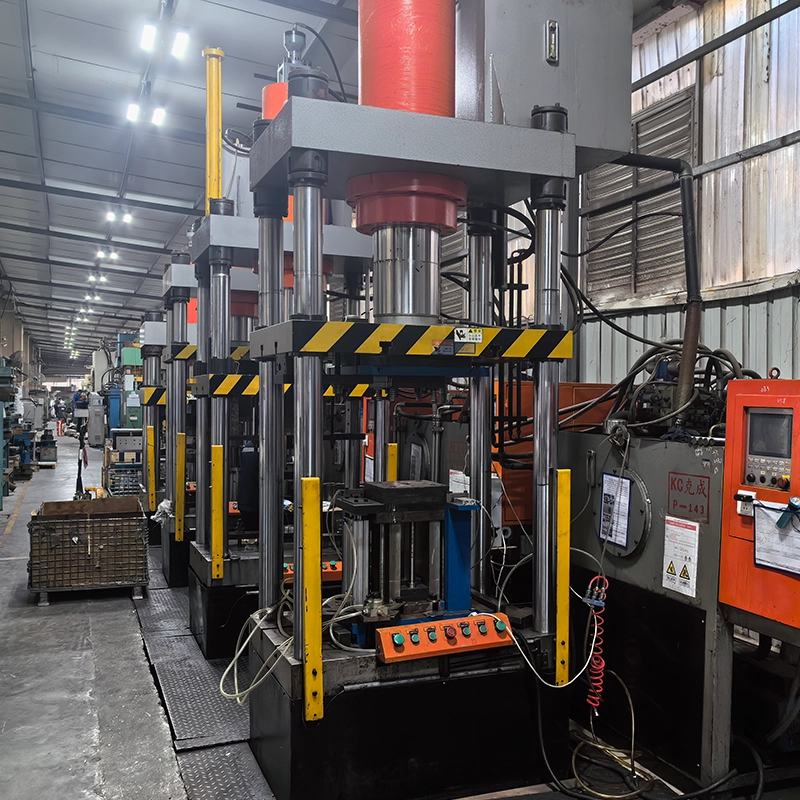
Testing & Quality Assurance
- Electrical resistance / conductivity tests to ensure low contact resistance.
- Mechanical tests: clamp retention force, pull-off (crimp) tests, torque verification for studs.
- Environmental tests: salt-spray (ASTM B117) and cyclic corrosion to validate coating performance.
- Dimensional & visual inspection: CMM, optical checks, and in-line vision systems to maintain tolerances.
Why Choose Us for Your Custom Car Battery Terminals
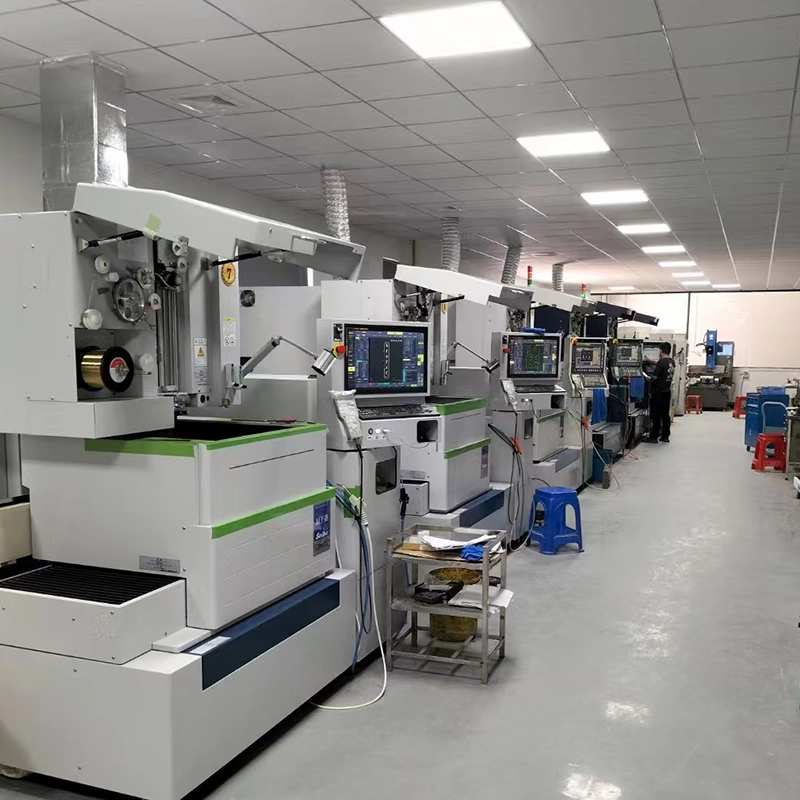
Topmetalstamping combines deep metal-forming expertise with full downstream finishing to deliver high quality, reliable battery terminal solutions. Our capabilities include:
- In-house progressive stamping, CNC machining, and casting partnerships for hybrid designs.
- Dedicated plating lines (tin, nickel, silver) and strict plating control to automotive specs.
- Robust QA: material traceability, electrical and mechanical testing, and environmental validation.
- Flexible production: from prototype CNC runs to high-volume stamped series with automated assembly and packaging.
- Experience supplying OEMs and Tier-1 suppliers where durability, low resistance, and regulatory compliance matter.
If you’re specifying custom metal car terminal connectors or need a qualified supplier for battery terminal assemblies, contact Topmetalstamping to discuss material options, prototype timelines, and qualification testing. We’ll provide DFM feedback, sample parts, and a production plan matched to your volume and performance targets.