
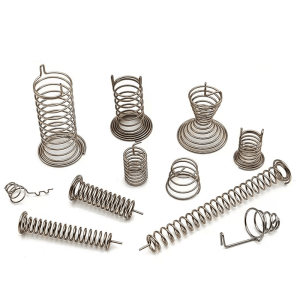
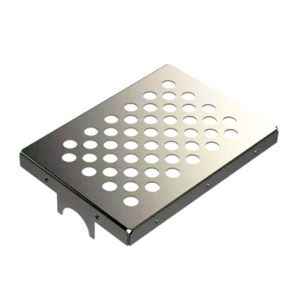
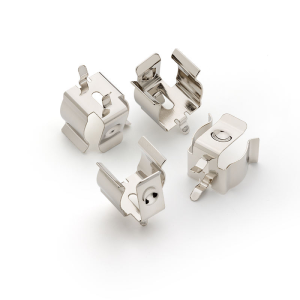
When it comes to power distribution in industrial settings, the choice of wiring system can make or break your operation. As companies look for ways to reduce costs, improve efficiency, and maintain safety, one major debate has emerged: busbars vs. traditional wiring. Both have their pros and cons, but understanding the core differences can help you make a more informed decision.
What Are Busbars?
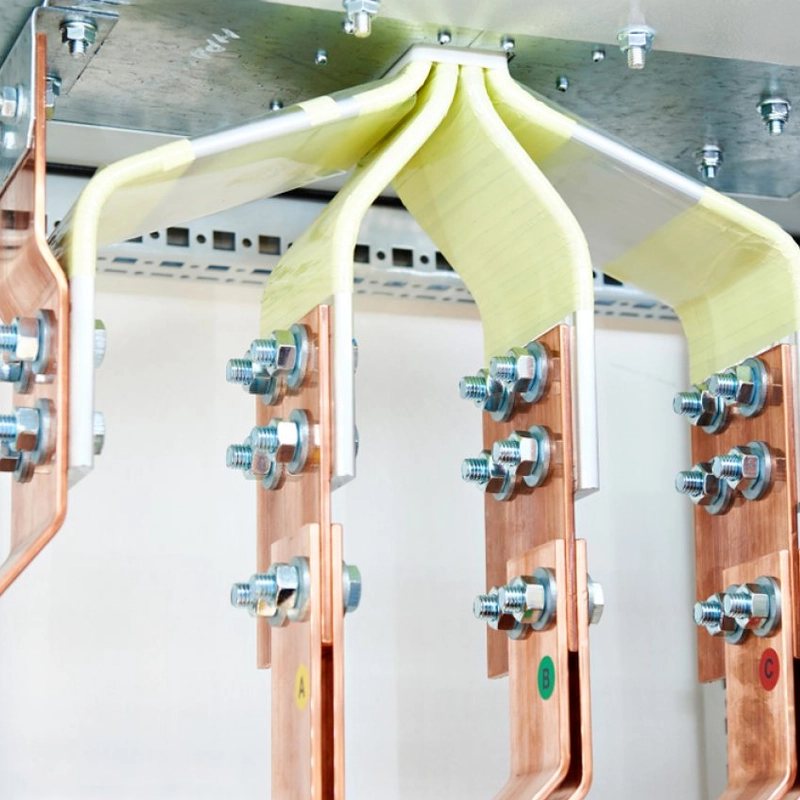
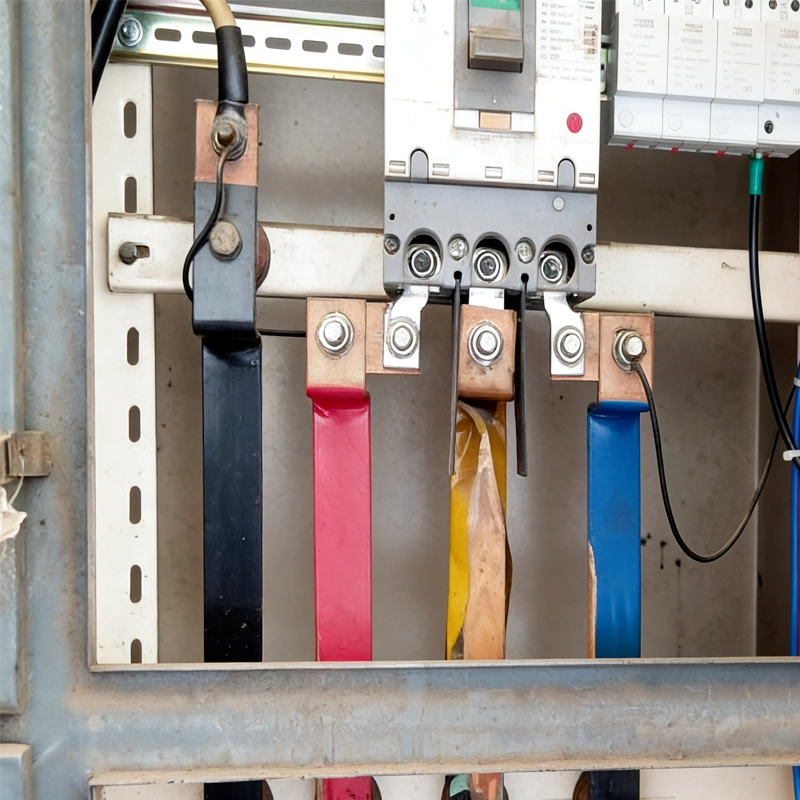
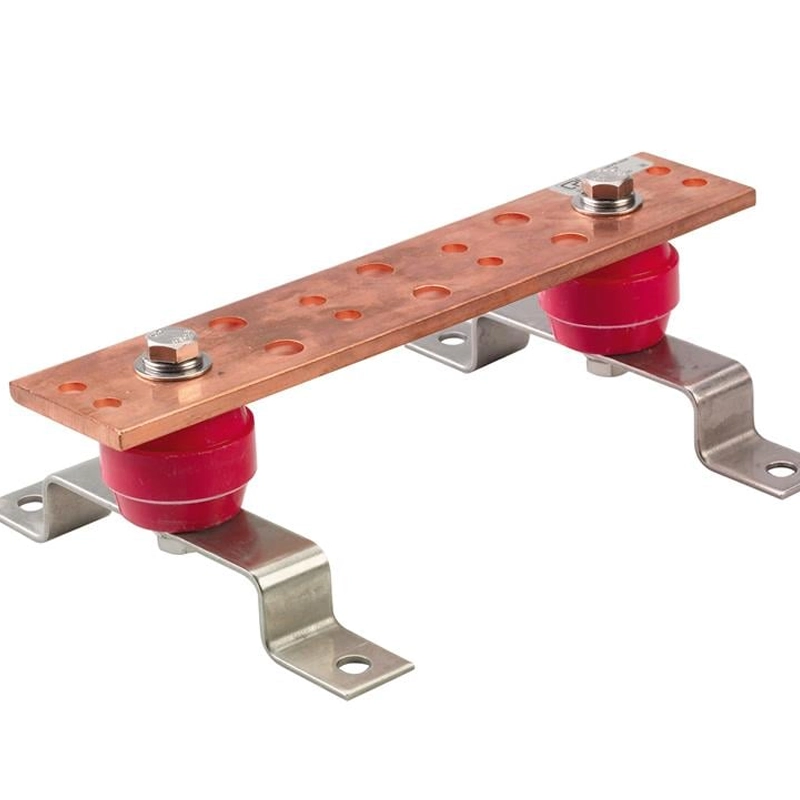
Busbars are metallic strips or bars used to conduct electricity within an electrical panel or switchgear. They act as a central power distribution hub, collecting and distributing electrical power to various parts of the circuit. They are typically made of copper or aluminum, which are excellent conductors of electricity.
Unlike traditional wiring, where individual wires run between components and terminals, busbars offer a more compact, durable, and efficient solution. They are commonly used in large power distribution systems such as industrial plants, data centers, and large buildings where reliability and safety are paramount.
What Is Traditional Wiring?
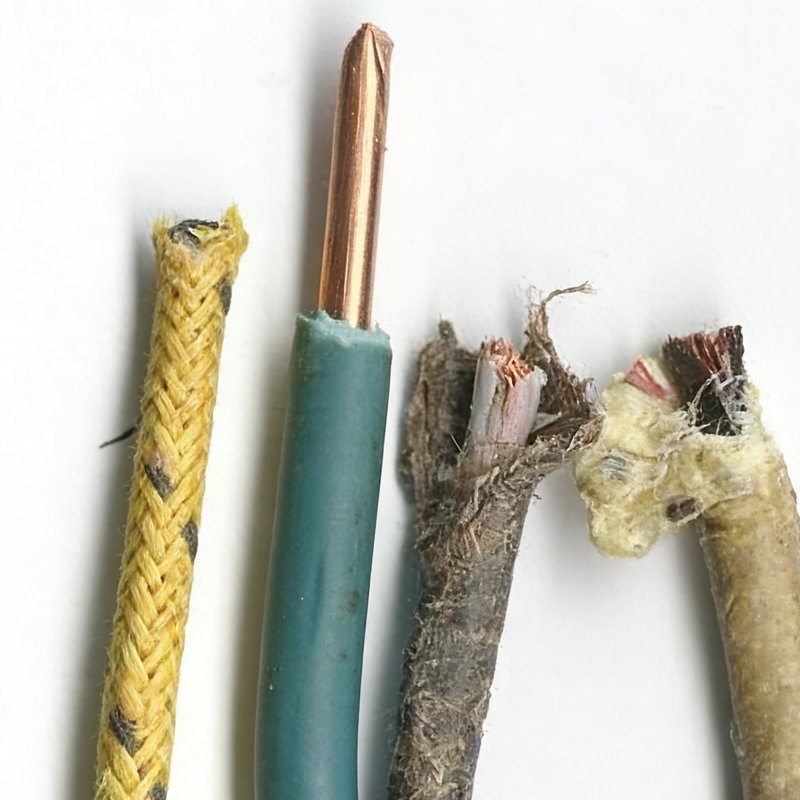
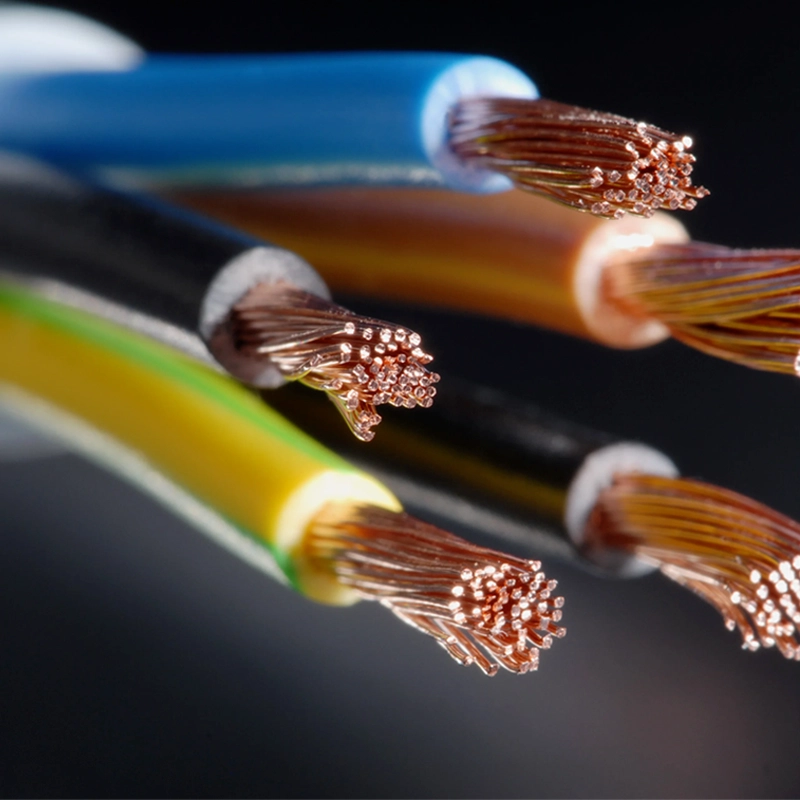
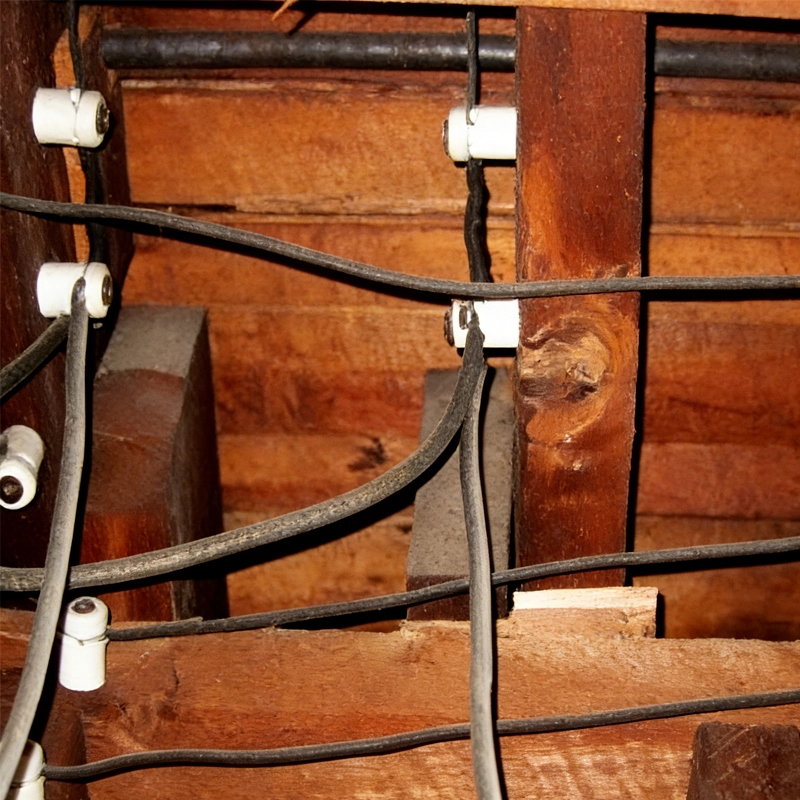
Traditional wiring, on the other hand, uses insulated copper or aluminum wires to connect electrical components to one another. While it has been around for a long time and is well-understood, traditional wiring systems come with some notable limitations, especially in large-scale operations.
While this system is flexible in design and application, it requires more space, more materials, and more time for installation. The wires often need to be carefully routed, supported, and protected to avoid short circuits, overloading, or mechanical damage.
Advantages of Busbars
-
Space-Saving Design
One of the standout advantages of busbars is their compact design. Busbars are usually mounted on walls or ceilings, making them perfect for environments where space is at a premium. The layout is clean and organized, reducing the risk of cluttered wiring that can lead to accidents or inefficiency. -
Efficiency in Power Distribution
With busbars, power is transmitted more efficiently. The low resistance of busbars helps minimize power loss, which is a crucial factor in industrial applications where energy consumption can be high. Additionally, their design reduces the need for excessive junctions or connections, leading to more reliable power distribution. -
Safety
Busbars tend to be safer compared to traditional wiring. With their enclosed design, busbars reduce the risk of accidental shorts or contact with live wires, making them an excellent choice for hazardous or high-voltage environments. Moreover, busbars are usually installed with protective covers, offering an extra layer of security. -
Durability
Busbars are designed to last. They are resistant to the physical wear and tear that can occur with traditional wiring, and they can withstand higher levels of heat and stress. Whether you’re working in a plant that requires high current capacity or dealing with fluctuating loads, busbars are built to endure. -
Cost-Effectiveness
Although the initial installation cost of a busbar system can be higher, it often proves to be more cost-effective in the long run. Lower maintenance costs and reduced energy loss help offset the upfront investment. Plus, fewer components are needed, which reduces material and labor costs.
Disadvantages of Busbars
-
Installation Complexity
Installing a busbar system requires careful planning and engineering expertise. It’s not as simple as just laying down some wires. The system must be designed to handle the load, and precise calculations are necessary to ensure it functions properly. This could mean higher upfront costs if you don’t have the necessary technical expertise in-house. -
Limited Flexibility
Once a busbar system is installed, it’s much harder to modify or expand. Traditional wiring, in comparison, is more flexible and can be easily rerouted or upgraded. Busbars are ideal for fixed, large-scale systems but might not be as adaptable to frequent changes.
Advantages of Traditional Wiring
-
Flexibility and Adaptability
One of the biggest advantages of traditional wiring is its versatility. It’s easy to add new components, change layouts, or adjust connections without major overhauls. This makes traditional wiring ideal for smaller projects or applications where frequent modifications are expected. -
Cost-Effective for Small Projects
For smaller installations, traditional wiring might be more cost-effective. Since it doesn’t require custom engineering or extensive planning, it’s often cheaper and faster to install. If you’re working with a limited budget or a smaller facility, traditional wiring could be the way to go. -
Simpler Installation
Installing traditional wiring is a straightforward process. It doesn’t require specialized equipment or expert design work, making it more accessible for electricians who are comfortable with standard wiring techniques.
Disadvantages of Traditional Wiring
-
Increased Space Requirements
Traditional wiring can quickly take up a lot of space. In large facilities, managing and organizing all the individual wires can be a logistical nightmare. Over time, wires can also become worn or damaged, leading to safety hazards and costly repairs. -
Energy Loss
Due to the longer lengths of wire and the multiple connections involved, traditional wiring tends to have higher resistance, leading to more energy loss. Over time, this can add up, especially in large industrial operations where energy efficiency is crucial. -
Maintenance Overheads
With traditional wiring, regular inspections, maintenance, and repairs are necessary to ensure safe operation. The risk of wiring degradation due to exposure, mechanical stress, or environmental factors is also a concern.
Which Is Best for Power Distribution?
So, which system should you choose for your power distribution needs? Well, it really depends on the scale of your operation, your budget, and the level of flexibility you require.
-
Go for Busbars if:
-
You have a large industrial setup.
-
Space-saving, energy efficiency, and safety are top priorities.
-
You’re looking for a long-term investment with minimal maintenance.
-
-
Stick with Traditional Wiring if:
-
You’re working with smaller-scale installations or want flexibility in design.
-
Your budget is limited, and you can handle the extra maintenance work.
-
You need a solution that can be easily adapted and expanded over time.
-
In either case, whether you’re considering busbars or traditional wiring, it’s important to partner with a reliable manufacturer who can provide high-quality, durable solutions. At TopMetalStamping, we specialize in crafting top-notch busbars and wiring components that meet the demanding standards of industries worldwide. Whether you’re looking for custom busbars or traditional wiring, our products are designed to ensure safety, efficiency, and longevity.
Final Thoughts
When it comes to power distribution, there’s no one-size-fits-all solution. It’s about matching the right system to the right needs. As always, when considering an upgrade or installation, make sure to weigh all the pros and cons and consult with industry experts—like us at TopMetalStamping—to ensure you’re making the best choice for your business.