
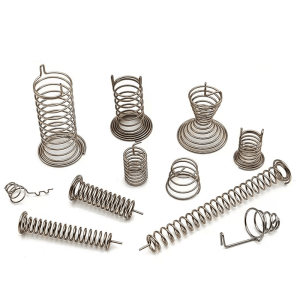
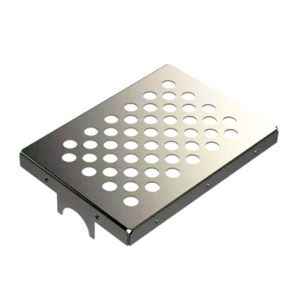
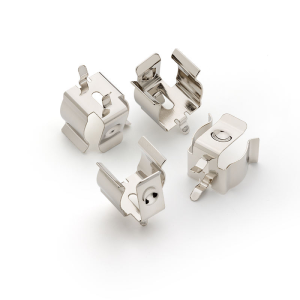
At Topmetalstamping, we manufacture precision metal stamping components for automotive, electronics, appliances, and industrial systems. For any engineered product, material performance is the foundation of reliability. That is why material testing is not just a quality step—it is a critical part of manufacturing validation, supplier qualification, and long-term product safety.
For engineers, procurement teams, and manufacturers, understanding material testing methods helps ensure the right material is selected, processed correctly, and performs consistently in real-world conditions.
What Is Material Testing?
Material testing is the process of evaluating a material’s mechanical, chemical, thermal, and physical properties to determine its suitability for a specific application.
It helps manufacturers verify whether a material can withstand stress, temperature, wear, corrosion, and long-term use.
Why Material Testing Matters
In metal stamping manufacturing, material testing directly affects product quality, safety, and performance.
Key reasons it matters:
- Ensures dimensional stability during stamping
- Prevents part failure in service environments
- Improves production consistency
- Reduces scrap and rework
- Supports OEM compliance and certification requirements
For a professional manufacturer or suppliers network, testing is the backbone of high quality production.
Types of Material Testing
Below are the most important testing methods used in engineering and manufacturing.
1. Tensile Strength Testing
Definition: Measures how much pulling force a material can withstand before breaking.
Application: Metal sheets, stamping materials, structural parts.
Pros: Simple, standardized, highly reliable.
Cons: Does not simulate real complex loading conditions.
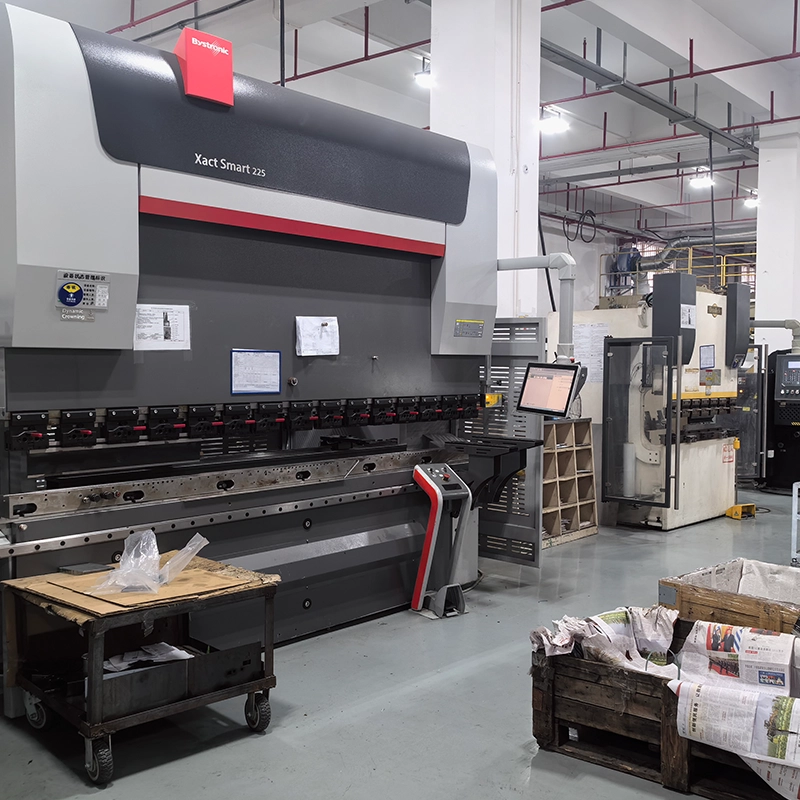
2. Compressive Strength Testing
Definition: Measures resistance to crushing forces.
Use: Heavy-duty components, structural supports.
Difference: Opposite of tensile testing (push vs pull).
Advice: Important for load-bearing stamped parts.
3. Flexural (Bend) Testing
Evaluates how materials behave under bending stress. Common in brackets and formed metal parts.
4. Shear Strength Testing
Tests resistance to sliding forces between layers. Important for fasteners and stamped joints.
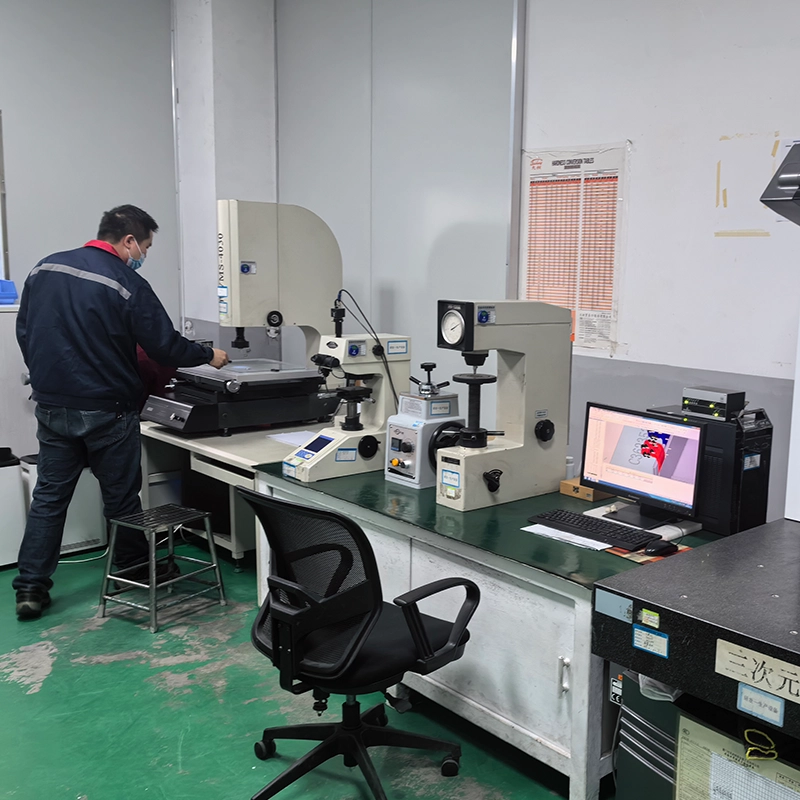
5. Hardness Testing (Rockwell, Brinell, Vickers)
Definition: Measures surface resistance to indentation.
Use: Tool steel, stamping dies, metal components.
Advantage: Fast and non-destructive in most cases.
6. Impact Testing (Charpy and Izod)
Evaluates sudden force resistance.
Critical for automotive and safety components.
7. Fatigue Testing
Simulates repeated loading cycles to predict long-term durability.
Used in high-stress metal stamping applications.
8. Creep Testing
Measures deformation under constant load over time.
Important for high-temperature environments.
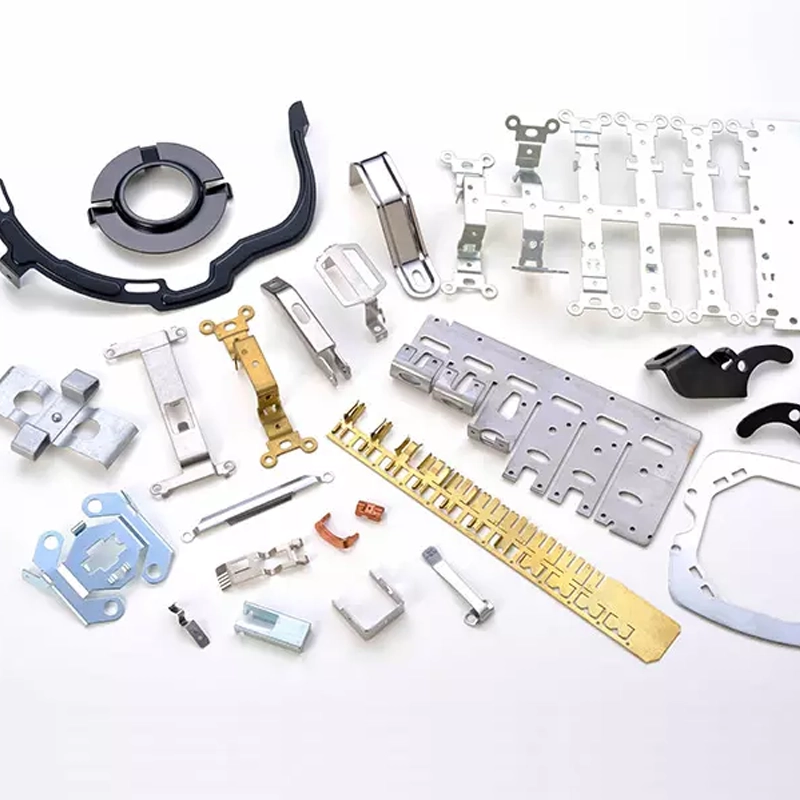
9. Fracture Toughness Testing
Determines resistance to crack growth.
Essential for safety-critical parts.
10. Wear Testing
Evaluates surface degradation from friction.
Used for moving mechanical assemblies.
11. Corrosion Testing
Simulates rust and environmental damage.
Important for automotive and outdoor applications.
12. Chemical Testing (Composition Analysis)
Ensures correct alloy composition.
Critical for OEM consistency and sourcing validation.
13. Microstructure Examination (Metallography)
Studies internal grain structure under microscope.
Helps detect manufacturing inconsistencies.
14–17. Non-Destructive Testing (NDT)
Includes ultrasonic, X-ray, magnetic particle, and dye penetrant testing.
Definition: Testing without damaging the part.
Benefit: 100% inspection capability for production parts.
18–19. Thermal & Electrical Conductivity Testing
Used in electronics and heat-sensitive applications.
20–23. Advanced Mechanical Testing
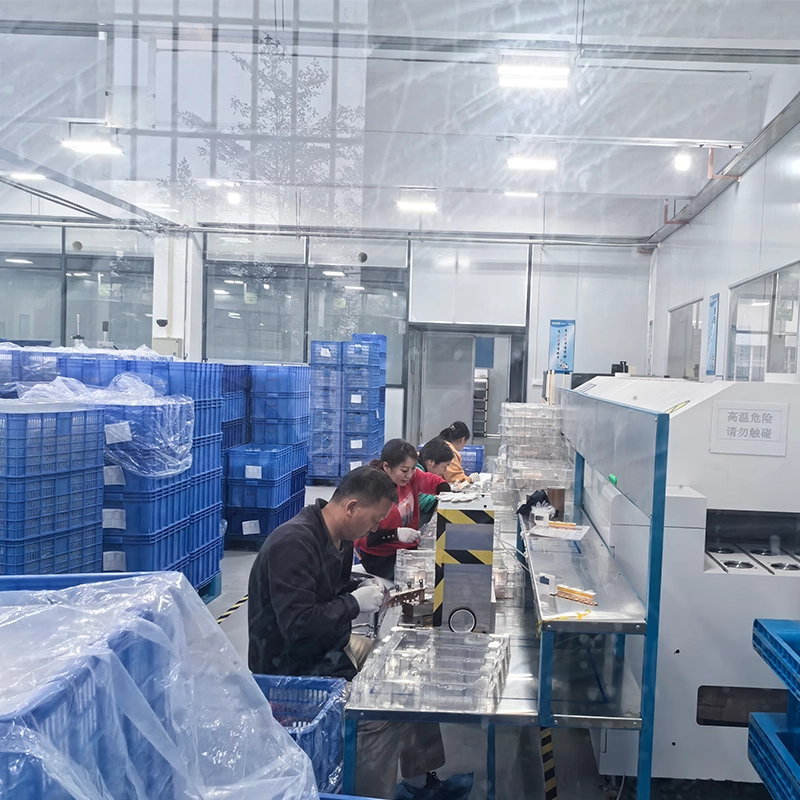
Includes:
- Residual stress testing
- Density testing
- Thermal analysis (DSC/TGA)
- Adhesion testing
These ensure material stability under extreme conditions.
24–27. Surface & Specialized Testing
Includes friction, pressure, abrasion, and thermal transition tests.
Important for wear-heavy and sealing applications.
How to Choose the Right Material Test
Selecting the correct test depends on your application and risk level.
Key selection factors:
- Load conditions (static or dynamic)
- Temperature exposure
- Environmental factors (moisture, corrosion)
- Safety requirements
- Production volume and cost constraints
For metal stamping projects, tensile, hardness, fatigue, and corrosion testing are most commonly used.
Material Testing vs Quality Inspection
Many buyers confuse these two concepts.
- Material testing: Evaluates raw material properties before or during production
- Quality inspection: Checks finished parts for defects after manufacturing
Both are required for full production control.
Why Work With Topmetalstamping
At Topmetalstamping, we integrate material validation directly into our metal stamping production process. As a professional manufacturer, we ensure every material used meets strict mechanical and chemical standards before mass production begins.
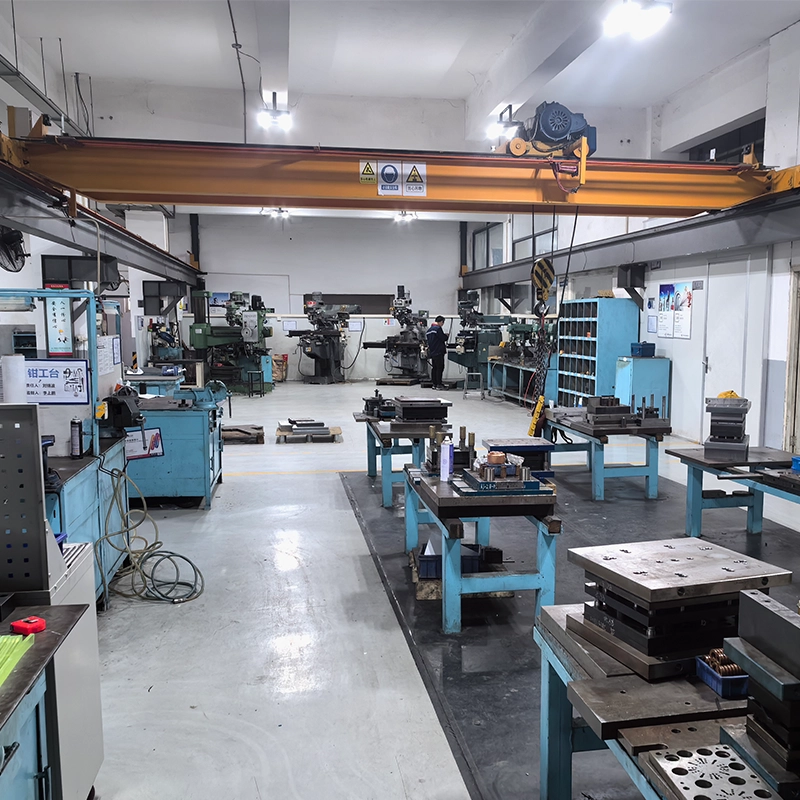
Our advantages:
- Full custom service for material selection
- Stable sourcing from qualified suppliers
- Strict incoming material testing system
- Process validation for stamping performance
- Consistent high quality production output
We support OEM customers from prototype to mass production with engineering-backed material selection and testing support.
Purchasing Advice for B2B Buyers
When sourcing stamped components, always ask:
- What material tests were performed?
- Can you provide test reports (COA, SGS, etc.)?
- Is the material consistent across batches?
- How is supplier quality controlled?
- Does the factory support OEM validation?
A reliable supplier should never treat material testing as optional.
Conclusion
Material testing is essential for ensuring performance, safety, and long-term reliability in manufacturing. From tensile strength to non-destructive inspection, each test provides critical insight into how materials behave under real-world conditions.
For metal stamping applications, selecting the right testing method ensures better product life, fewer failures, and stronger OEM performance.
At Topmetalstamping, we combine engineering expertise, strict testing systems, and reliable suppliers to deliver consistent high quality stamping solutions with full custom service support.
If you are developing a new project or sourcing precision components, our team is ready to help you evaluate materials and provide the right manufacturing solution.