
In modern industrial manufacturing, metal processing technologies play a critical role in product durability, dimensional precision, and production efficiency. For OEM buyers, engineers, and sourcing managers, understanding the difference between metal stamping and metal forming is essential when selecting the right manufacturing solution for automotive parts, battery components, sanitary hardware, electrical terminals, and industrial assemblies.
Although the terms are often used interchangeably, metal stamping and sheet metal forming involve different production methods, tooling structures, and cost considerations. Choosing the right process directly affects tooling investment, lead time, production scalability, and final product quality.
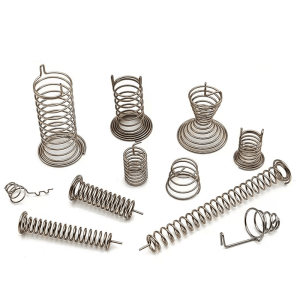
Across industries such as automotive, electronics, energy storage, and sanitary ware manufacturing, technologies like custom sheet metal fabrication, precision stamping, deep drawn metal stamping, and precision sheet metal fabrication help manufacturers produce high-performance metal components with excellent consistency and cost efficiency.
What Is Metal Stamping?
Metal stamping is a high-speed manufacturing process that uses dies and stamping presses to cut, bend, punch, emboss, or form metal sheets into precise components. It is widely used for medium- and high-volume production because of its excellent repeatability and low per-unit cost.
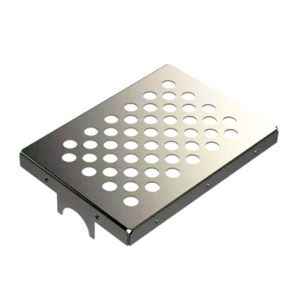
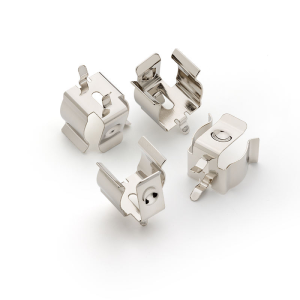
Precision stamping commonly produces:
- Electrical terminals
- Battery clips
- Connector components
- Brackets
- Shielding parts
- Appliance hardware
- Automotive metal parts
Modern stamping operations often use progressive dies and automated feeding systems to improve efficiency and consistency.
Main Advantages of Metal Stamping
- High production speed
- Excellent dimensional consistency
- Lower unit cost at scale
- Suitable for complex geometries
- Ideal for automated manufacturing
Limitations
- Higher initial tooling investment
- Less economical for low-volume production
- Tooling modifications can be costly
What Is Metal Forming?
Sheet metal forming is a broader manufacturing category that reshapes metal without removing material. Processes may include bending, rolling, stretching, drawing, hydroforming, and deep forming operations.
Unlike traditional stamping, sheet metal forming often focuses on producing larger structural components or parts requiring gradual deformation.
Common applications include:
- Enclosures
- Structural panels
- Industrial housings
- Kitchen equipment
- Sanitary hardware
- Aerospace components
Deep drawn metal stamping is one specialized branch of sheet metal forming used to manufacture cylindrical or hollow components.
Main Advantages of Metal Forming
- Suitable for larger components
- Better for low- to medium-volume production
- Flexible manufacturing options
- Reduced material waste in some applications
Limitations
- Slower production speed
- Higher labor involvement
- Lower efficiency for mass production
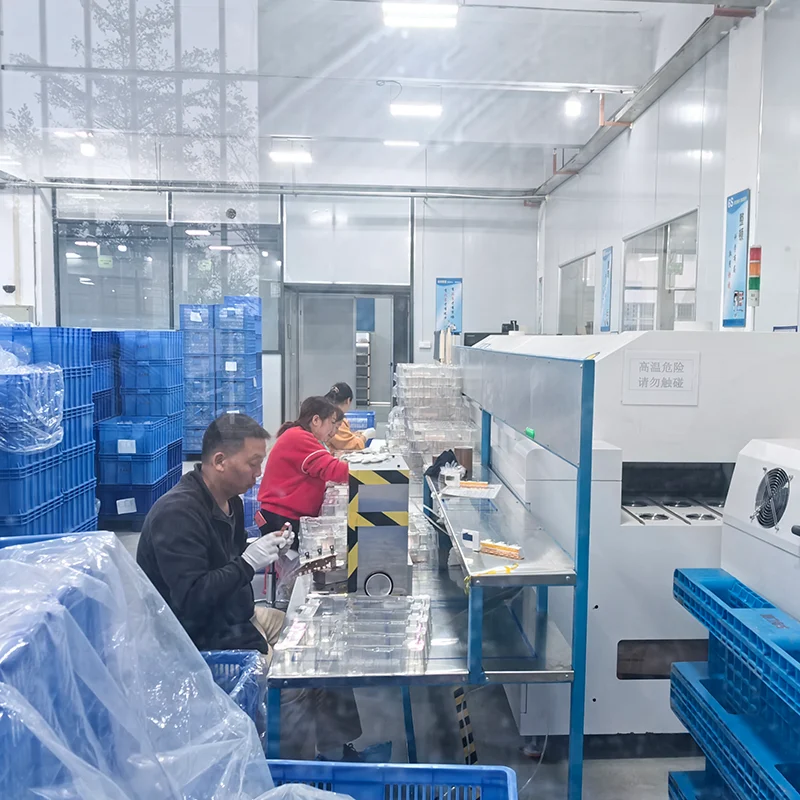
Key Differences Between Stamping and Forming
Although both processes shape metal materials, several important differences exist.
| Feature | Metal Stamping | Metal Forming |
|---|---|---|
| Production Speed | Very high | Moderate |
| Tooling Investment | Higher upfront | Lower to medium |
| Production Volume | Medium to high | Low to medium |
| Precision Level | Extremely high | Moderate to high |
| Automation | Highly automated | Varies |
| Best For | Small precision parts | Large structural parts |
Precision stamping is generally preferred when tight tolerances and large production volumes are required.
Cost Comparison: Stamping vs. Forming
Cost structure differs significantly between these manufacturing methods.
Metal Stamping Cost Factors
- Progressive die tooling
- Press tonnage requirements
- Material thickness
- Production volume
- Secondary operations
Sheet Metal Forming Cost Factors
- Labor intensity
- Setup time
- Equipment flexibility
- Material handling
- Process complexity
For high-volume OEM production, precision sheet metal fabrication through stamping often delivers lower long-term production costs.
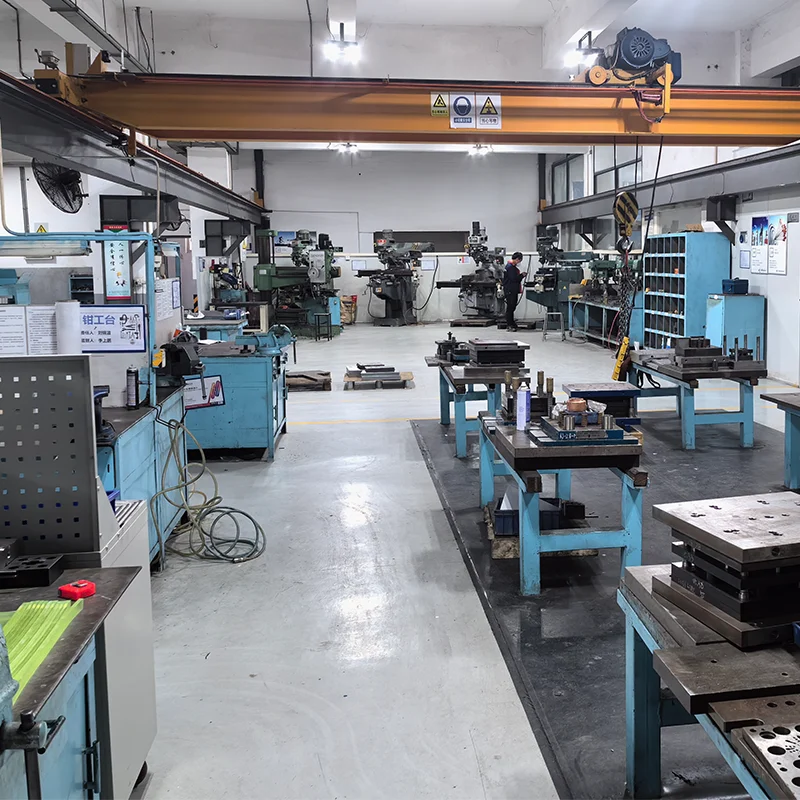
When to Choose Metal Stamping
Metal stamping is typically the best option when:
- Production volume is high
- Tight tolerances are required
- Repeatability is critical
- Part geometry is complex
- Automated assembly is needed
Industries that frequently rely on custom sheet metal fabrication and precision stamping include:
- Automotive manufacturing
- Electronics
- Energy storage systems
- Appliance manufacturing
- Medical equipment
- Bathroom and sanitary ware production
For battery terminals, electrical connectors, and shielding components, stamping provides excellent production efficiency and consistent quality.
Die-Matic Has the Metal Stamping Expertise You Need
Successful OEM production requires more than basic manufacturing capability. It requires engineering expertise, tooling precision, material knowledge, and scalable production systems.
Professional stamping manufacturers support customers through:
- DFM analysis
- Material optimization
- Tooling engineering
- Prototype validation
- Precision inspection
- Automated production planning
Advanced suppliers also help optimize part geometry to reduce waste, improve manufacturability, and lower long-term production cost.
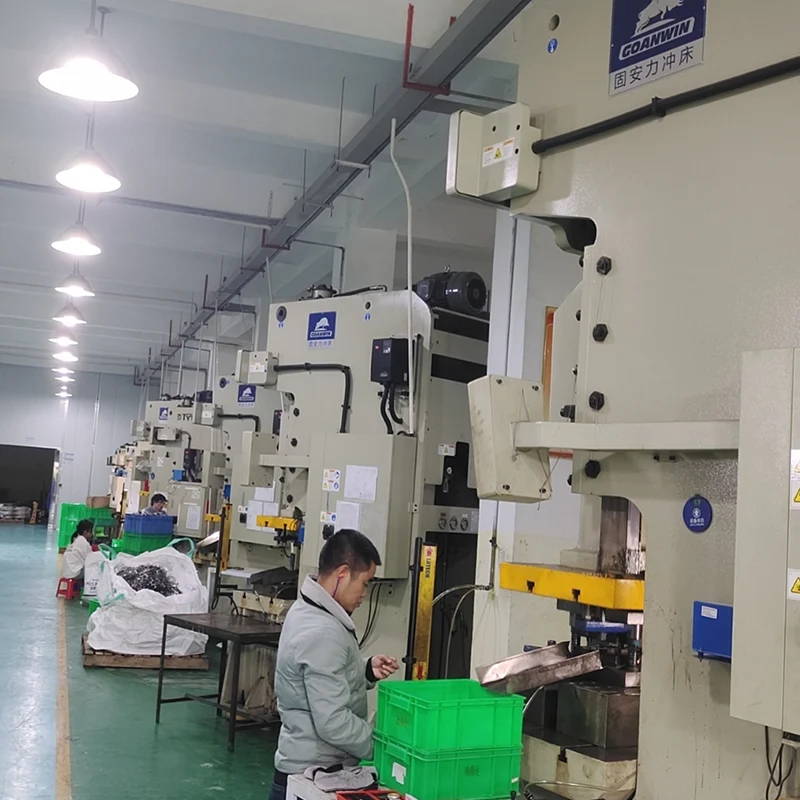
Why Choose Us
Behind every reliable stamped component is a manufacturing partner capable of combining engineering precision with stable large-scale production. Topmetalstamping specializes in custom sheet metal fabrication, deep drawn metal stamping, precision stamping, and precision sheet metal fabrication for OEM industrial applications worldwide.
For customers seeking durable and highly conductive battery retention solutions, our Custom Metal Stamping Battery Holder Clips provide excellent spring performance, stable conductivity, dimensional consistency, and long service life. These components are widely used in battery packs, consumer electronics, automotive systems, smart devices, and industrial electrical assemblies.
From a professional B2B manufacturing perspective, Topmetalstamping offers several core advantages:
- Advanced progressive die manufacturing capability
- Precision CNC machining and tooling development
- Automated high-speed stamping production lines
- Strict dimensional verification systems
- Stable raw material sourcing
- Competitive OEM production pricing
- Flexible custom engineering support
- One-stop manufacturing and assembly services
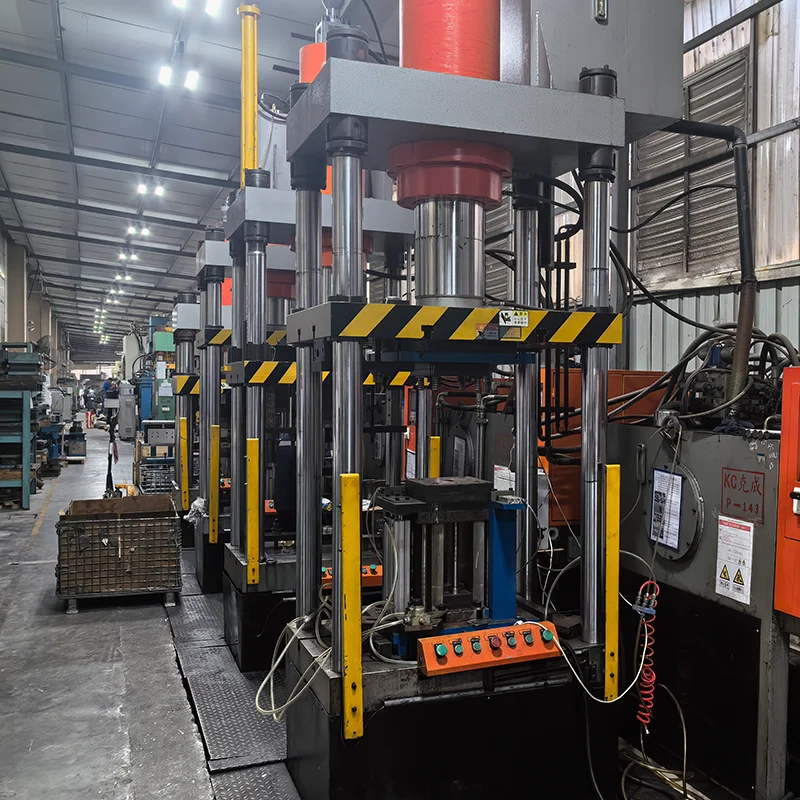
Our factory uses advanced production and inspection equipment to ensure stable quality across every project, including:
- High-speed precision stamping machines
- CNC machining centers
- Progressive die systems
- Optical measurement systems
- CMM inspection equipment
Whether customers require high-volume production or customized industrial metal solutions, our engineering team helps optimize both product performance and manufacturing efficiency.
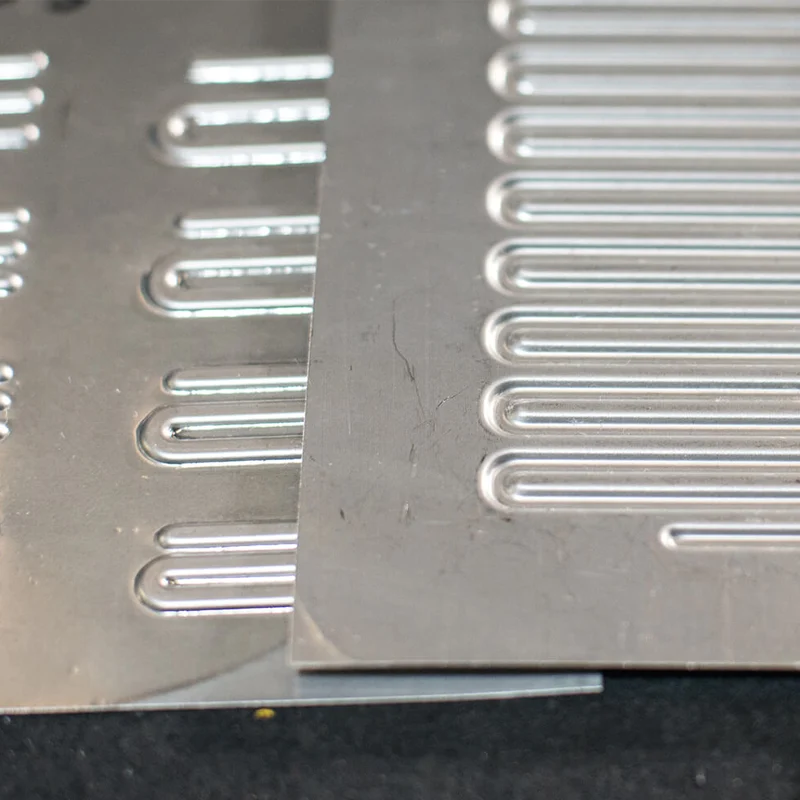
Conclusion
Metal stamping and sheet metal forming each offer unique manufacturing advantages depending on production requirements, part geometry, precision standards, and project scale.
For high-volume precision components such as terminals, clips, brackets, and electrical connectors, precision stamping often provides superior efficiency, consistency, and long-term cost advantages. Meanwhile, sheet metal forming remains valuable for larger structural components and flexible low-volume production.
Choosing the right manufacturing partner is equally important. Experienced suppliers help optimize tooling design, improve production stability, reduce waste, and support scalable OEM manufacturing growth.
If you are sourcing custom sheet metal fabrication or precision stamped components for industrial, automotive, or sanitary applications, Topmetalstamping is ready to support your project with professional engineering and reliable manufacturing solutions.
FAQs
1. Is metal stamping cheaper than sheet metal forming?
For medium- and high-volume production, metal stamping is usually more cost-effective due to faster cycle times and automation.
2. What industries use precision stamping?
Automotive, electronics, energy storage, appliance, medical, and sanitary ware industries commonly use precision stamping.
3. What is deep drawn metal stamping?
Deep drawn metal stamping is a forming process used to create hollow or cylindrical metal parts with excellent dimensional consistency.
4. Can custom sheet metal fabrication achieve tight tolerances?
Yes. Advanced tooling systems and precision inspection equipment allow manufacturers to maintain extremely tight tolerances.
5. How do I choose between metal stamping and forming?
The decision depends on production volume, part complexity, tooling budget, material type, and dimensional requirements.