
At Topmetalstamping, we understand that achieving a perfect finish on shafts is a complex and critical aspect of manufacturing. The quality of the outer cylindrical surface of shafts directly affects the performance and longevity of mechanical parts. Choosing the right machining process is crucial to avoid waste, reduce delays, and ensure high precision. In this article, we’ll explore the different methods used to machine the outer cylindrical surfaces of shafts, including turning, grinding, and advanced techniques, to help you make informed decisions for your manufacturing needs.
Understanding the Machining Methods for Shafts
When it comes to machining shafts, two primary processes are typically used: turning and grinding. Each method has its advantages and is suited to different production needs. Turning is mainly used for rough shaping and initial forming, while grinding provides the fine finishes and tight tolerances required in high-precision applications.
At Topmetalstamping, we offer both of these machining services as part of our OEM services, ensuring that your parts meet the highest standards of quality and precision, whether you’re producing a small batch or a large volume.
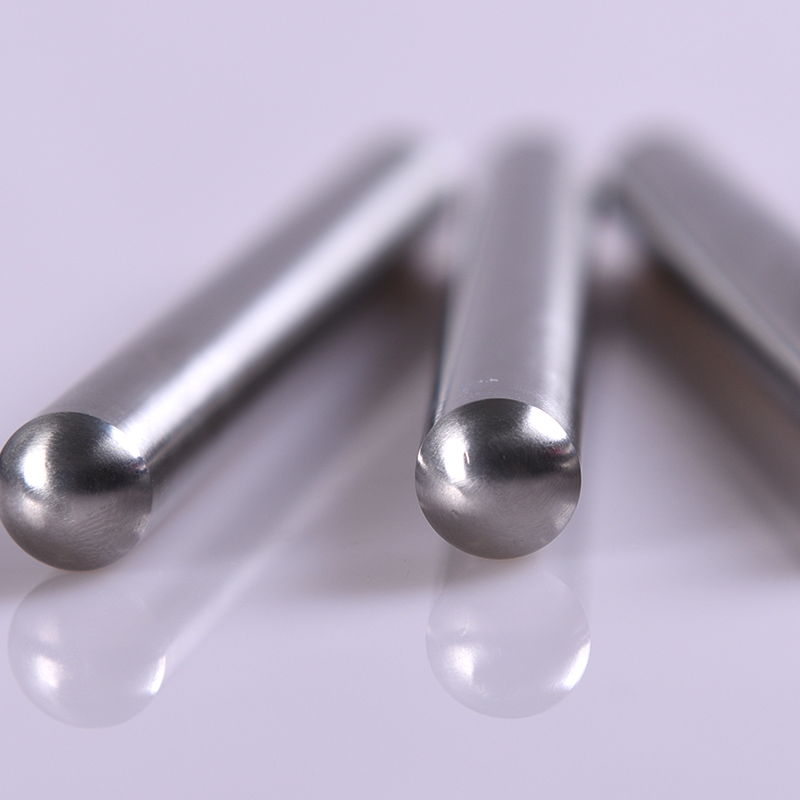
CNC Turning: A Versatile and Efficient Method for Cylindrical Surfaces
CNC Turning is one of the most widely used methods for machining the outer cylindrical surface of shafts. The key characteristic of CNC turning is that it requires the workpiece’s cylindrical surface to be coaxial with the rotational axis of the lathe spindle. This fundamental principle makes it adaptable to various shaft designs and sizes, allowing for consistent and repeatable results. CNC turning is highly efficient and capable of handling both ferrous and non-ferrous metals, particularly excelling in non-ferrous materials.
Advantages of CNC Turning:
- Wide Range of Applications: CNC turning can process a variety of surfaces, including internal and external cylindrical surfaces, conical surfaces, and even features such as threads and grooves. With specialized attachments, lathes can perform additional tasks like boring, grinding, and polishing.
- High Productivity: CNC turning operates through continuous cutting with minimal impact, which leads to high rigidity and reduced tool wear. The process supports a high cutting capacity, resulting in fast production speeds and consistent results.
- Precision and Surface Finish: Precision turning can achieve tolerances of IT7 to IT8, with surface roughness as low as 0.8–1.6 μm. In high-precision applications, we can use advanced cutting tools like tungsten carbide or cubic boron nitride (CBN) to achieve mirror-like finishes and precise tolerances.
- Low Production Costs: The relatively simple structure of CNC turning tools, combined with standardized fixture accessories, leads to a reduction in production preparation time and machining costs, making it an affordable solution for both large and small production runs.
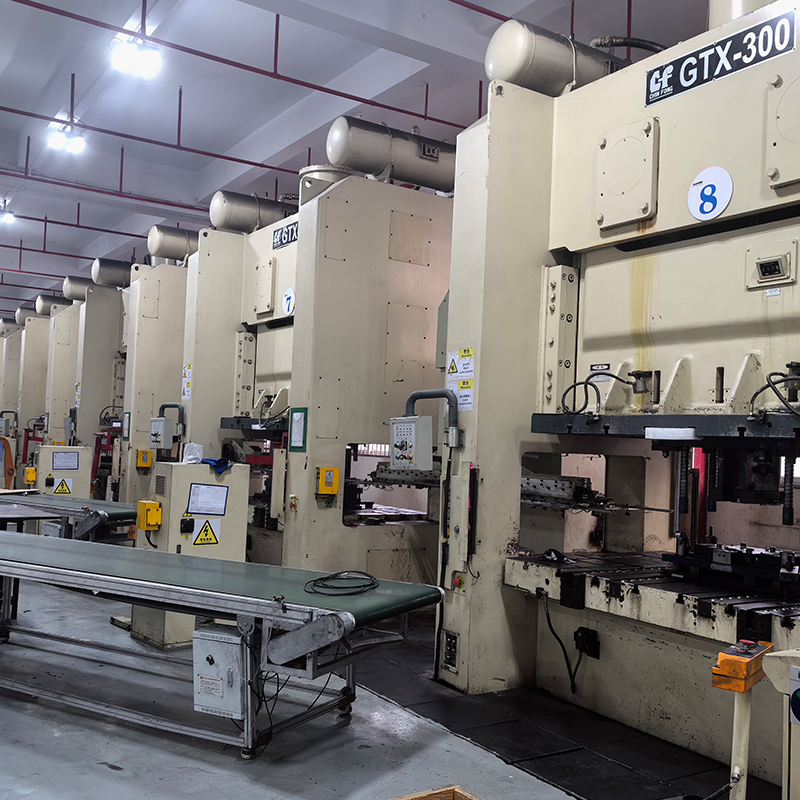
At Topmetalstamping, we utilize advanced CNC lathes that provide the highest levels of precision and efficiency, making them ideal for producing complex cylindrical surfaces that meet the stringent requirements of various industries, including automotive, aerospace, and medical devices.
Grinding: Achieving High Precision and Fine Surface Finishes
While CNC turning is ideal for shaping the shaft, grinding is the go-to process for achieving superior surface finishes and tight tolerances. Grinding uses an abrasive wheel to remove a thin layer of material from the workpiece, providing a smooth and fine surface. It is particularly effective when the shaft requires high precision, minimal surface roughness, or a high-quality finish.
Grinding Characteristics and Benefits:
- High Precision with Minimal Surface Roughness: Grinding is ideal for achieving tight tolerances and smooth finishes. It can produce parts with a surface roughness as low as 0.2 μm and can even achieve mirror finishes with the right conditions.
- Self-Sharpening Tools: Unlike other cutting tools, the grinding wheel maintains its cutting ability through self-sharpening, allowing it to perform well in continuous grinding operations. This makes grinding a highly efficient process for high-volume production.
- Capable of Grinding Hard Materials: Grinding is capable of processing not only common materials like steel and cast iron but also challenging materials such as hardened steel and cemented carbides. This makes it a versatile method for precision machining of complex or high-strength materials.
- High-Temperature Grinding: Grinding generates a significant amount of heat, which can lead to thermal damage like burn marks or changes in the microstructure of the workpiece. Proper cooling and lubrication are crucial to manage the temperature and ensure high-quality results.
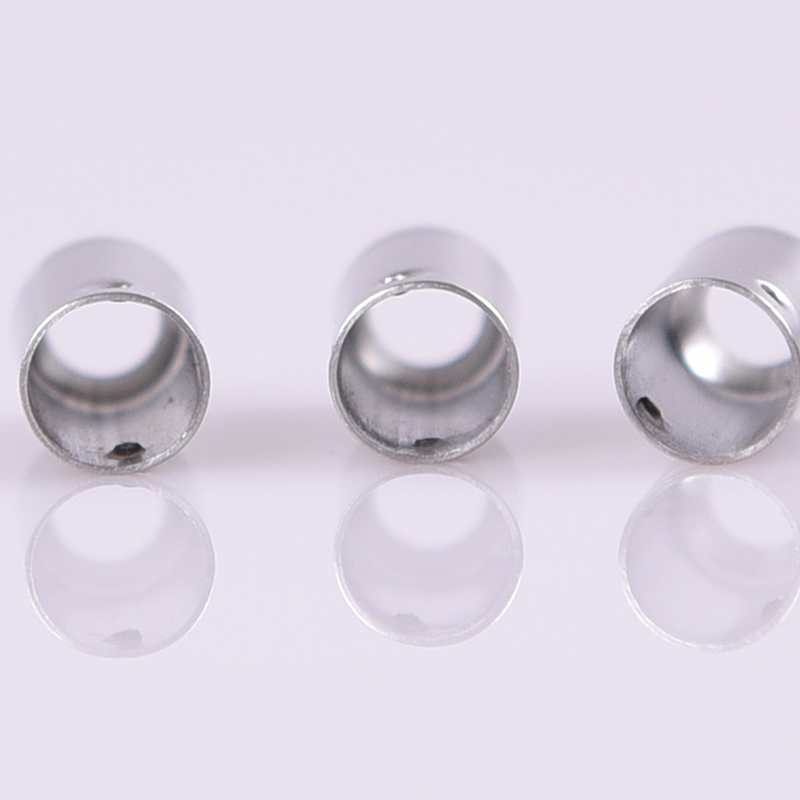
At Topmetalstamping, we use state-of-the-art grinding machines, including centerless grinders and cylindrical grinders, to provide the highest level of precision in producing smooth, dimensionally accurate shafts. Our engineers are well-versed in managing grinding challenges such as temperature control and tool wear, ensuring that your parts maintain their quality throughout the production process.
Advanced Machining Techniques: Precision and Efficiency
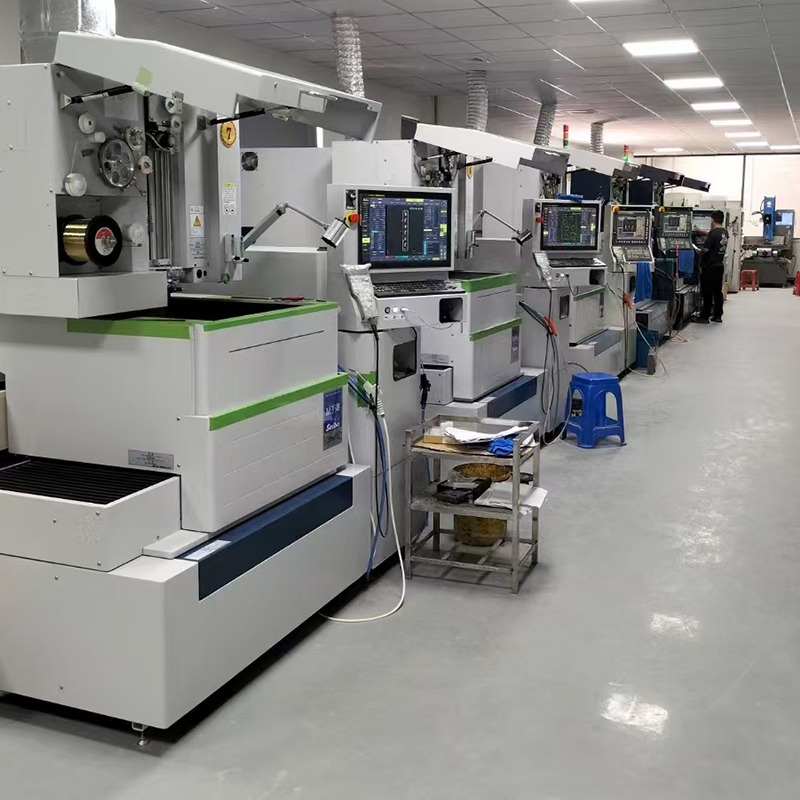
In addition to traditional turning and grinding, there are several advanced techniques available for precision machining of outer cylindrical surfaces. These methods are often employed when the highest levels of accuracy and surface quality are required.
Superfinishing and polishing are two key methods used to achieve ultra-fine finishes and extremely tight tolerances. Superfinishing involves using fine abrasives and controlled pressure to remove micro layers from the surface, reducing roughness to values as low as 0.003 μm. Polishing, on the other hand, is used to eliminate surface marks and enhance the part’s fatigue resistance. It is commonly used for parts requiring a high level of aesthetic quality or those that will undergo electroplating.
Roll Forming is another non-cutting method that uses pressure to induce plastic deformation and improve surface properties. This process is typically used for parts that require enhanced surface hardness and finish, such as bearing races and camshafts.
Common Defects in Machining and Their Solutions
During machining, defects such as polygonal marks, spiral patterns, and burn marks can occur due to vibrations, tool wear, or high temperatures. These defects can negatively affect the surface quality of the shaft and compromise its performance. To prevent such issues, we take several measures at Topmetalstamping, including:
- Balancing grinding wheels and motors to reduce vibrations.
- Adjusting feed rates and bearing clearance to maintain consistent tool pressure.
- Using appropriate cutting fluids and coolants to reduce heat generation and prevent burns.
We closely monitor all stages of machining to ensure that defects are minimized and high-quality standards are consistently met.
Conclusion:
At Topmetalstamping, we are committed to providing high-precision machining services tailored to the needs of our customers. Whether you need turning, grinding, or advanced techniques like superfinishing and polishing, our experienced team and cutting-edge equipment ensure that you receive the best solution for your specific application. As a reliable manufacturer and supplier of custom parts, we offer one-stop services that include everything from design and prototyping to mass production, ensuring that your parts meet the highest standards of quality and performance.
Understanding the different machining methods for shafts is crucial to achieving optimal results. Whether you’re producing components for the automotive, aerospace, or medical industries, we can help you determine the most efficient and cost-effective method for your project. Contact us today to learn more about our OEM services and how we can help you achieve high-quality shaft machining for your next project.