Are you sourcing precision parts or evaluating a contract manufacturer for an OEM program? At Topmetalstamping, our factory combines traditional machining know-how with modern CNC capability to deliver turnkey production for customers and suppliers. This article explains what a machine shop actually is, what it does, how it evolved, the critical equipment and quality systems involved, and how to choose the right partner for your project.
What Exactly Is a Machine Shop and What Functions Does It Serve in Manufacturing?
A machine shop is a production facility where raw materials—metal bars, forgings, castings, or polymer blanks—are transformed into finished components through material-removal and finishing processes. Core functions include prototyping, toolmaking, precision machining, assembly of subcomponents, and small-to-medium volume production runs. Machine shops are essential links in the supply chain: they turn drawings and CAD models into parts that meet dimensional tolerances, surface-finish requirements, and functional specs for OEMs and product manufacturers.
Core Functions in Manufacturing
- Turning engineering drawings and CAD models into production-ready parts.
- Rapid prototyping and design for manufacturability (DFM) feedback.
- Low- to mid-volume production runs with tight tolerances.
- Secondary operations: heat treat, surface finishing, plating, grinding, and assembly.
- Quality inspection, certification, and lot traceability for regulated industries.
Key Processes and Equipment
Typical processes include turning, milling, drilling, broaching, grinding, EDM, and holemaking. Modern shops also perform wire EDM, superfinishing, and additive hybrid work when required. Complementary operations—deburring, cleaning, and packaging—complete the flow to ship finished components.
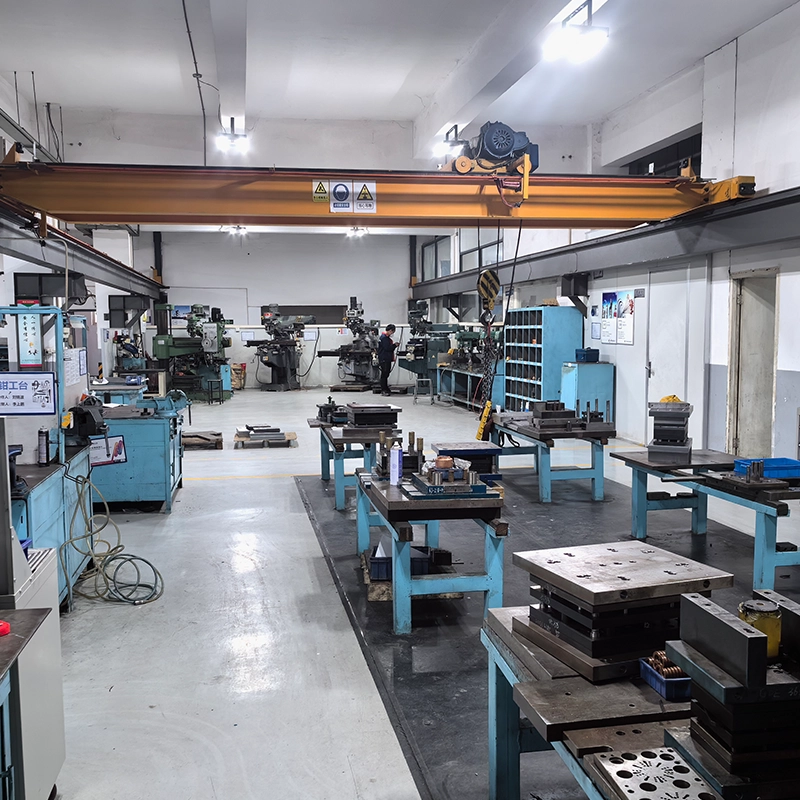
How Have Machine Shops Evolved From the Industrial Revolution to the Modern CNC Era?
The Manual Era: The Industrial Revolution
Early machine shops relied on human-operated lathes, shapers, and mills. Skilled machinists set and guided tools, producing precision by hand. Jigs and fixtures helped standardize repeatability, but throughput and consistency were limited by manual skills.
The Automated Era: The Rise of CNC
The introduction of numerical control and later computer numerical control (CNC) transformed shops. CNC machines deliver repeatable motion, complex 3D contours, multi-axis capability, and unattended operation. Automation, CAM programming, and in-line probing enable faster ramp-up from prototype to production while tightening tolerances and lowering per-part cost at scale.
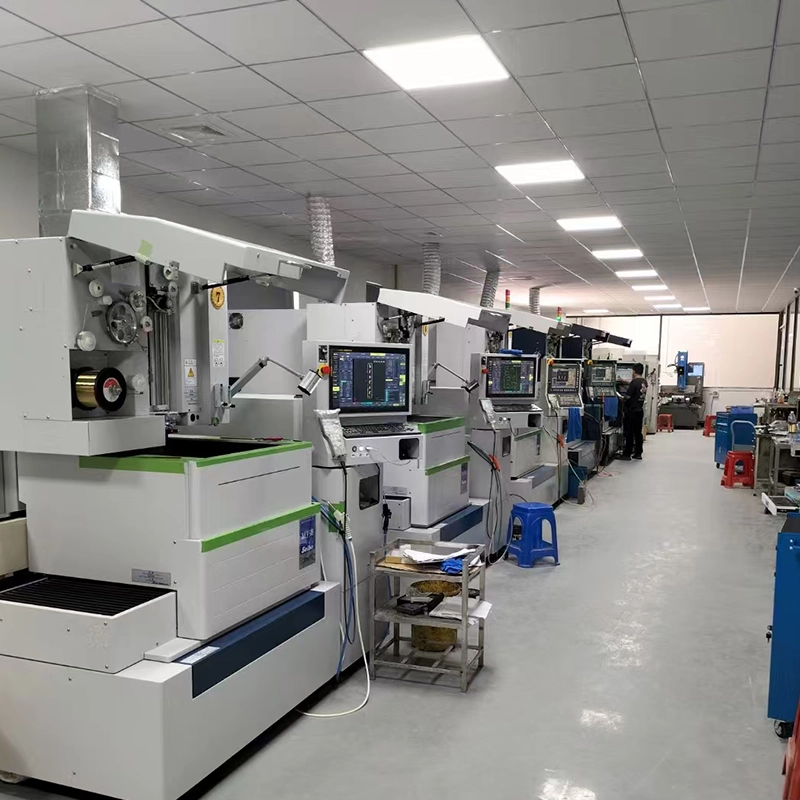
Which Core Machines and Equipment Are Essential in a Well-Equipped Machine Shop?
Primary Machining Centers
- CNC vertical and horizontal machining centers (3–5 axis) for complex geometries.
- CNC turning centers and mill-turn machines for shafts, sleeves, and integrated parts.
- EDM and wire EDM for hardened steels and intricate internal shapes.
- Surface and cylindrical grinders for fine finishes and tight roundness.
Secondary and Finishing Machines
- Honing and lapping for sealing surfaces and bores.
- Broaching and tapping for internal features.
- Washing, passivation, and plating lines for surface integrity.
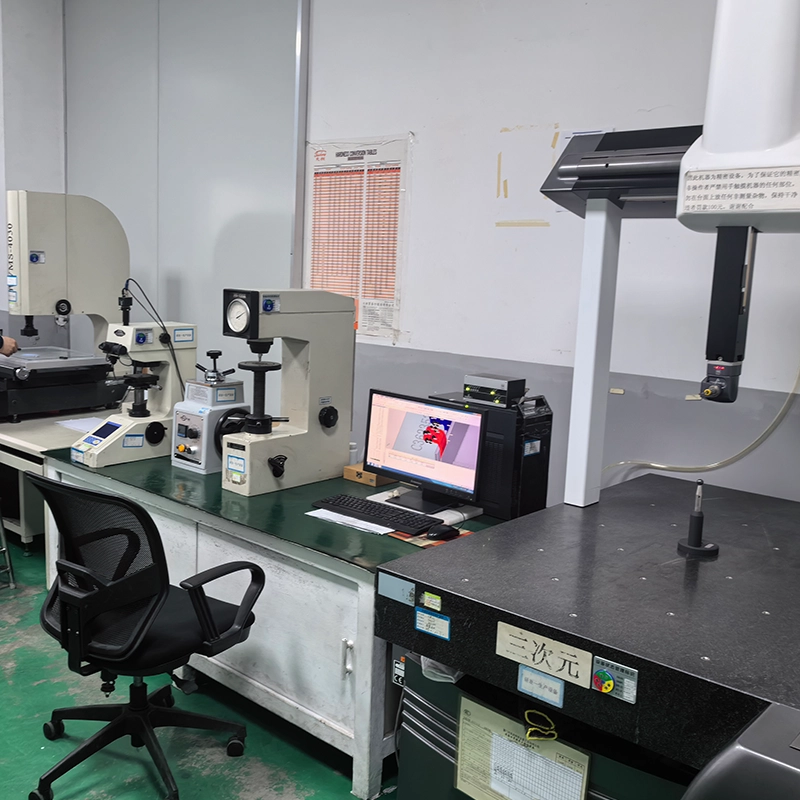
- Coordinate measuring machines (CMM) and inspection stations for QA.
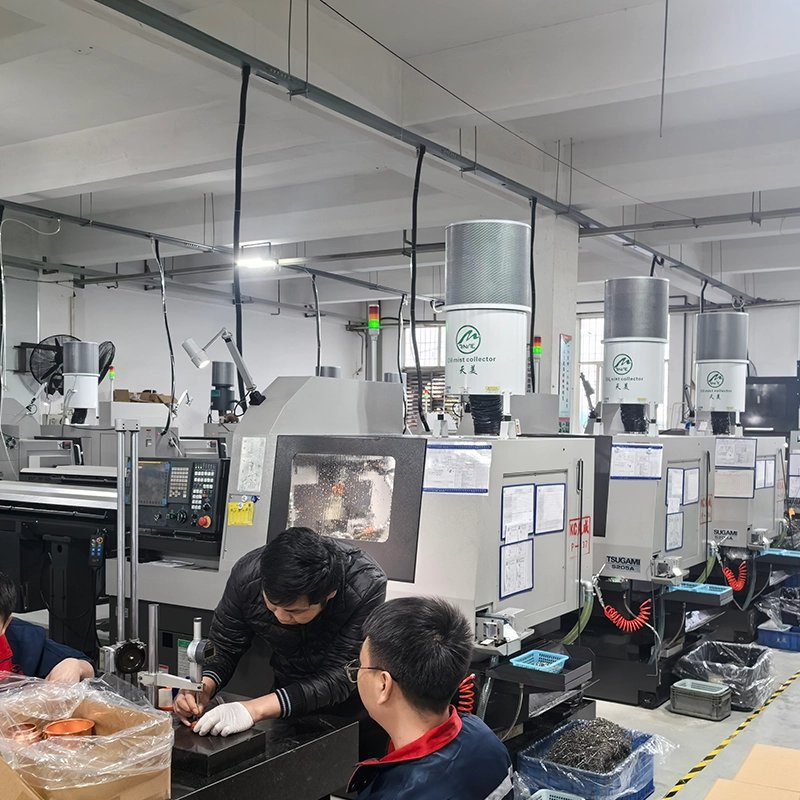
What Precision Tools Do Machine Shops Use and How Do They Enhance Manufacturing Quality?
Common Measurement and Inspection Tools
- CMMs for 3D dimensional inspection.
- Optical comparators and vision systems for profile checks.
- Surface roughness testers (Ra, Rz).
- Calipers, micrometers, dial indicators, and plug gauges for shop-floor control.
- In-process probes and tool setters on CNCs for automatic compensation.
How These Tools Enhance Quality
Real-time metrology shortens feedback loops, enabling process control (SPC), reducing scrap, and ensuring parts leave the shop to specification. Probing also enables first-part validation and automated corrections across long runs.
How Has CNC Technology Revolutionized Traditional Machining Processes?
CNC enables complex contours, multi-axis interpolation, and high-speed machining that were impractical manually. It allows adaptive feeds, dynamic toolpaths, and automated tool changes. The result: faster cycle times, improved surface finish, and the ability to produce lightweight, high-strength parts used in aerospace, automotive, and medical markets with consistent quality.
What Quality Control Methods Ensure Precision in Machine Shop Operations?
Key methods include:
- First Article Inspection (FAI) and process capability studies (Cp/Cpk).
- Statistical Process Control (SPC) and control charts.
- Traceable material certificates, heat-treat records, and lot tracking.
- In-process probing and end-of-line CMM reports.
- ISO 9001, AS9100, IATF 16949 or industry-specific certifications where required.
What Safety Standards Must Be Maintained in Modern Machine Shops?
Shops must enforce machine guarding, lockout/tagout, PPE, chip and coolant management, and ergonomic workflows. Regulatory compliance with OSHA (or local equivalents) includes hazard communication, respiratory protection for fine particulate operations, and safe handling of oils, plating chemicals, and finishing agents.
What Criteria Should You Consider When Selecting a Machine Shop for Your Project?
- Technical capability: multi-axis CNC, EDM, grinding capacity.
- Quality systems and certifications relevant to your industry.
- Production capacity and lead time reliability.
- In-house secondary services: heat treat, plating, assembly, and kitting.
- Engineering support for DFM and rapid prototyping.
- Financial and operational stability of the supplier.
- Transparency on pricing, change control, and communication practices.
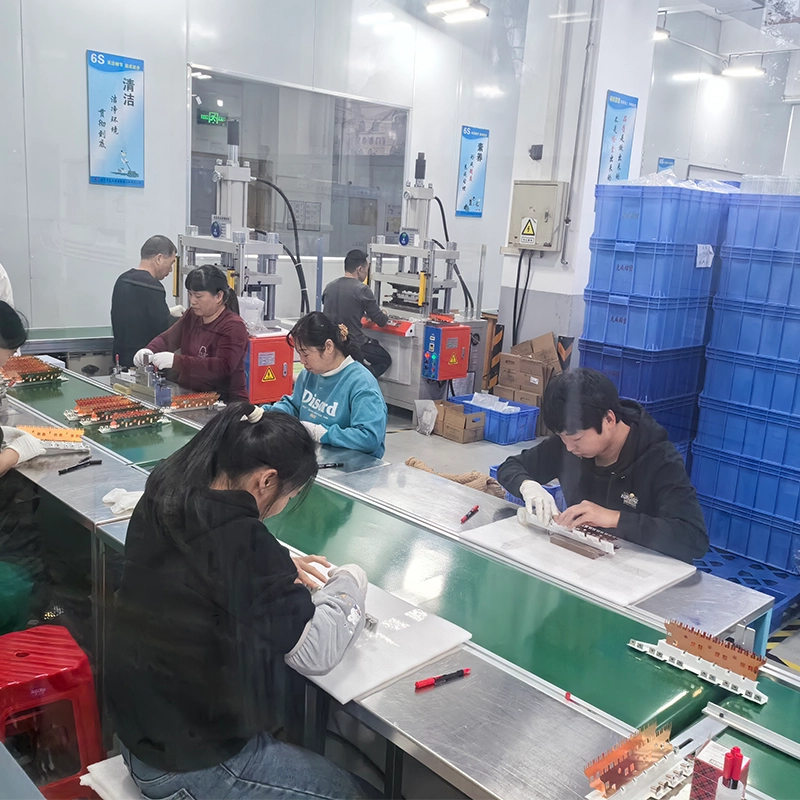
How Do Machine Shops Impact Different Industries From Aerospace to Consumer Products?
Machine shops supply critical components across sectors:
- Aerospace: tight-tolerance airframe and engine parts, exotic alloys.
- Medical: implants, surgical instruments with biocompatible finishes.
- Automotive: powertrain and chassis components at scale.
- Electronics and consumer goods: precision enclosures, heat sinks, connectors.
- Industrial equipment: gears, housings, and hydraulic components.
What Are the Main Advantages and Challenges of Running a Machine Shop Business?
Advantages of the Business
- High technical entry barriers can create defensible margins.
- Diversified industry exposure reduces market cyclicality.
- Value-added services (assembly, testing) increase revenue per part.
Challenges of the Business
- Capital intensity: CNC machines, grinders, and automation require heavy investment.
- Skilled labor shortage and ongoing training needs.
- Supply-chain volatility for raw materials and tooling.
- Tight margins from global competition—requires continuous process and cost optimization.
Conclusion
A modern machine shop is a high-precision, capital-intensive factory that converts design intent into functional parts. At Topmetalstamping, we combine CNC expertise, disciplined quality control, and OEM service capabilities to support customers and suppliers with prototype-to-volume manufacturing. If you’re evaluating partners for stamped-and-machined components, assemblies, or turnkey manufacturing, send us your drawings and requirements. Our engineering team will perform a manufacturability review, propose cost-effective processes, and provide lead-time and quoting information to help move your program forward.