
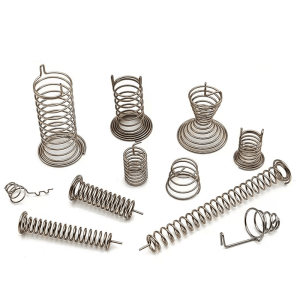
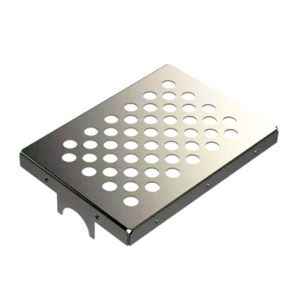
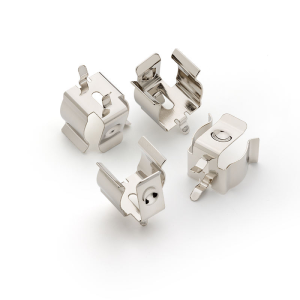
At Topmetalstamping, a precision manufacturer and factory offering one-stop service and tailored custom service solutions, we produce a wide range of machined parts and components for industries that demand accuracy, repeatability, and reliability. This guide explains what qualifies as a machined part, how CNC machining compares to other manufacturing methods, design considerations, material choices, tolerance capabilities, and how to pick the right machining partner for B2B programs.
What Exactly Qualifies as a “Machined Part” in Manufacturing?
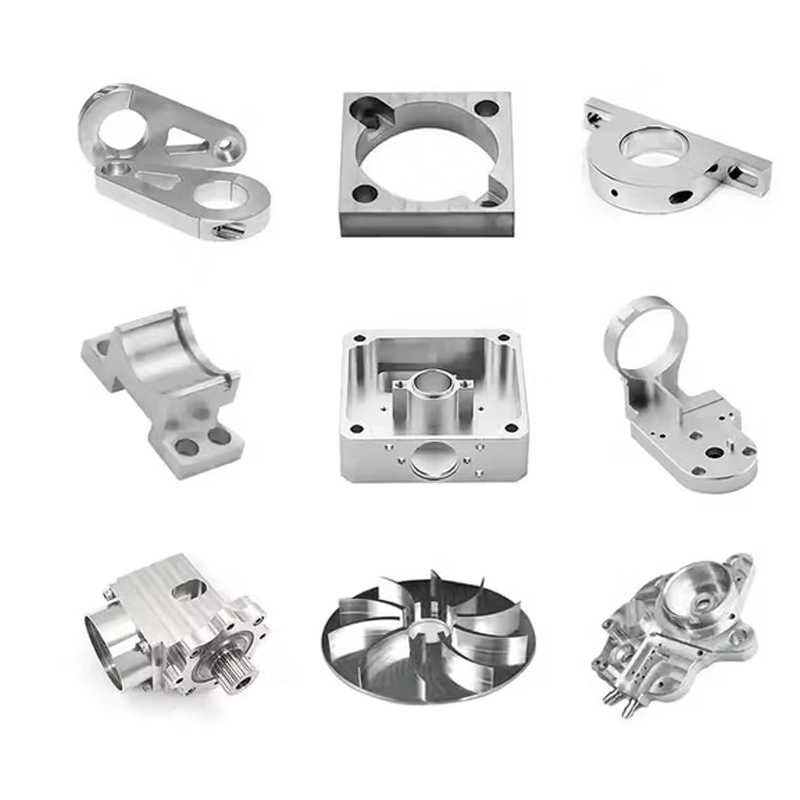
A machined part is a component formed by subtractive manufacturing processes that remove material from a raw blank to achieve the final geometry. Typical processes include turning, milling, drilling, boring, reaming, grinding, and broaching performed on manual, CNC, or multi-axis machines. Machined parts can be simple fasteners or complex, multi-featured components used in assemblies across automotive, medical, aerospace, energy, and electronics sectors.
Key attributes of machined parts:
- Tight dimensional tolerances and repeatable accuracy
- Defined surface finishes and geometric control (GD&T)
- Capability to work with metals, plastics, and engineered materials
- Often used where mechanical properties and fit are critical
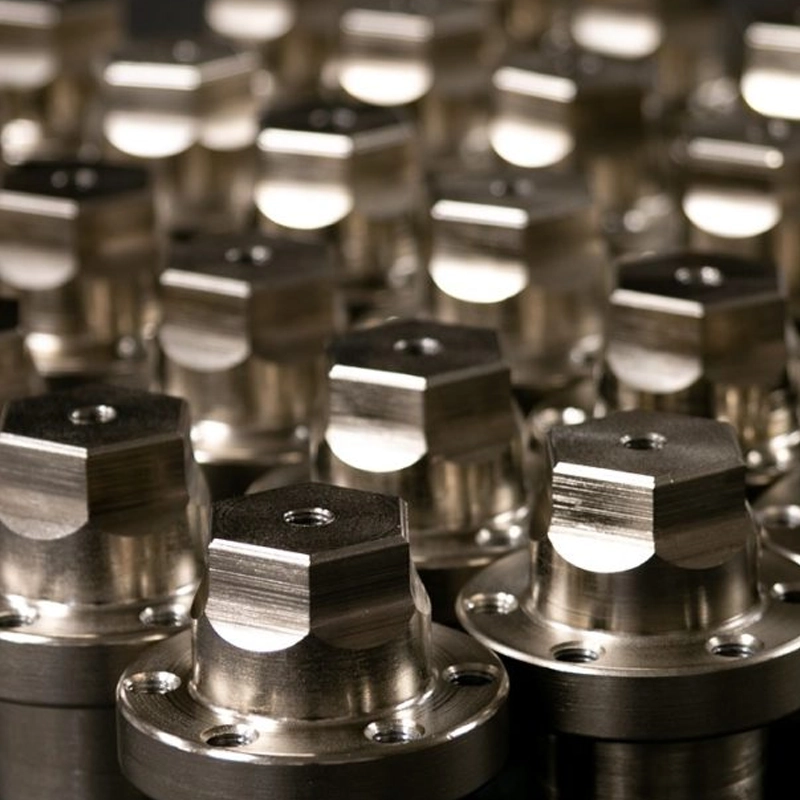
How Do CNC Machined Components Differ from Traditional Manufacturing Methods?
CNC machining offers programmable, automated control of cutting tools and part movement to produce precise features with minimal human intervention. Compared with traditional manual machining:
- CNC improves repeatability and reduces human error.
- It enables complex, multi-axis geometries in a single setup.
- Cycle times are predictable and scale well from prototyping to low/medium volume production.
Compared with other manufacturing routes such as casting, forging, or stamping, CNC machining typically yields better dimensional accuracy and surface finish but may have higher per-part cost for very large volumes.
CNC Machining vs. 3D Printing vs. Molding: Making the Right Choice
Choosing a manufacturing method depends on geometry, tolerances, material, volume, and economics.
- CNC Machining — best for metal parts with tight tolerances, high-strength materials, and critical surface finishes. Great for prototypes and low-to-medium volumes.
- 3D Printing (Additive) — ideal for complex internal features, lightweight lattice structures, and rapid prototyping with minimal tooling. Material properties can be limiting for high-load parts.
- Injection Molding / Die Casting — cost-effective at high volumes, especially for plastic and non-ferrous metal parts. Upfront tooling is costly but amortizes across large runs.
Often the right strategy is hybrid: use CNC for critical mating surfaces and modify molded or cast components to final dimensions.
Why Are Machined Parts Ideal for Prototyping and Small Production Runs?
Machined parts require no expensive tooling, so they allow fast iterations and design validation. CNC setups can be programmed quickly from CAD/CAM files, enabling:
- Rapid turnaround for engineering samples
- Tight control over critical features for functional testing
- Easy design changes between runs without retooling
This makes CNC machining the preferred method for engineering validation, small-batch production, and low-volume product lines.
How Do Undercuts and Complex Features Impact Machining Cost and Feasibility?
Complex features such as deep undercuts, internal channels, blind cavities, and tiny radii increase setup complexity, tooling cost, and cycle time. Multi-axis machining or specialized tooling (e.g., form cutters, long-reach tools) may be required. During design review, engineers should:
- Minimize deep cavities and features that require long tool overhangs
- Add draft where possible or redesign for assembly
- Consider alternative processes (EDM, additive) for impossible geometries
Proper DFM up front reduces surprises and prevents expensive rework.
Which Materials Deliver Optimal Performance in Precision Machined Components?
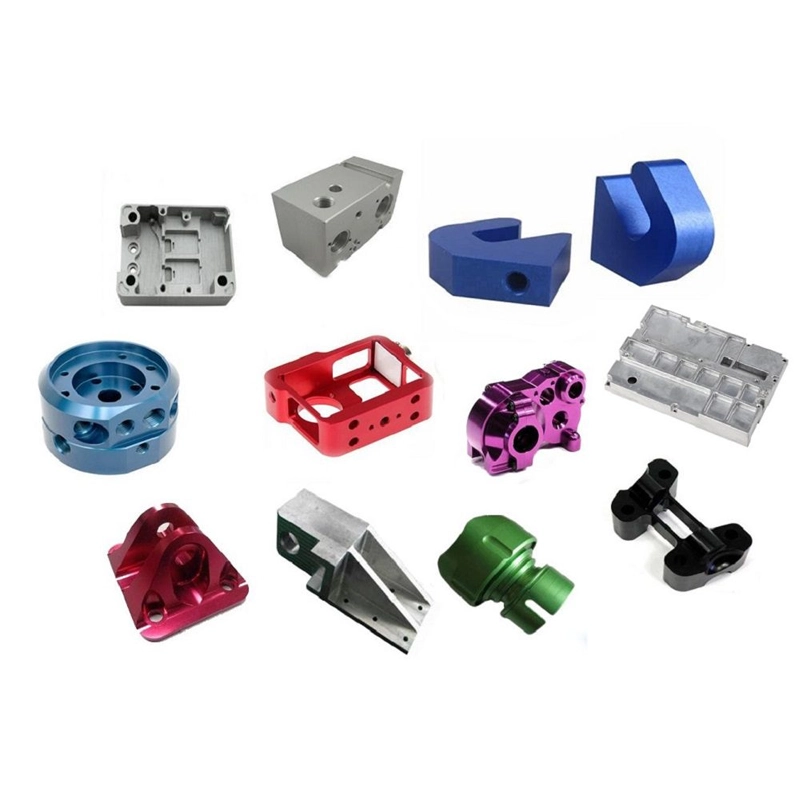
Material selection affects machinability, mechanical performance, and cost. Common choices:
- Aluminum alloys — lightweight, excellent machinability, used in aerospace and electronics.
- Stainless steel — corrosion resistance and strength, common in medical and food contact parts.
- Alloy steels — high strength and wear resistance for tooling and structural parts.
- Brass & Copper alloys — conductivity and good finish for fittings and connectors.
- Engineering plastics (POM, PEEK, UHMW) — used where low friction or chemical resistance is required.
Material choice should align with functional requirements and downstream treatments (heat treatment, plating, passivation).
How Tight Can Tolerances Be Achieved in High-Precision CNC Machining?
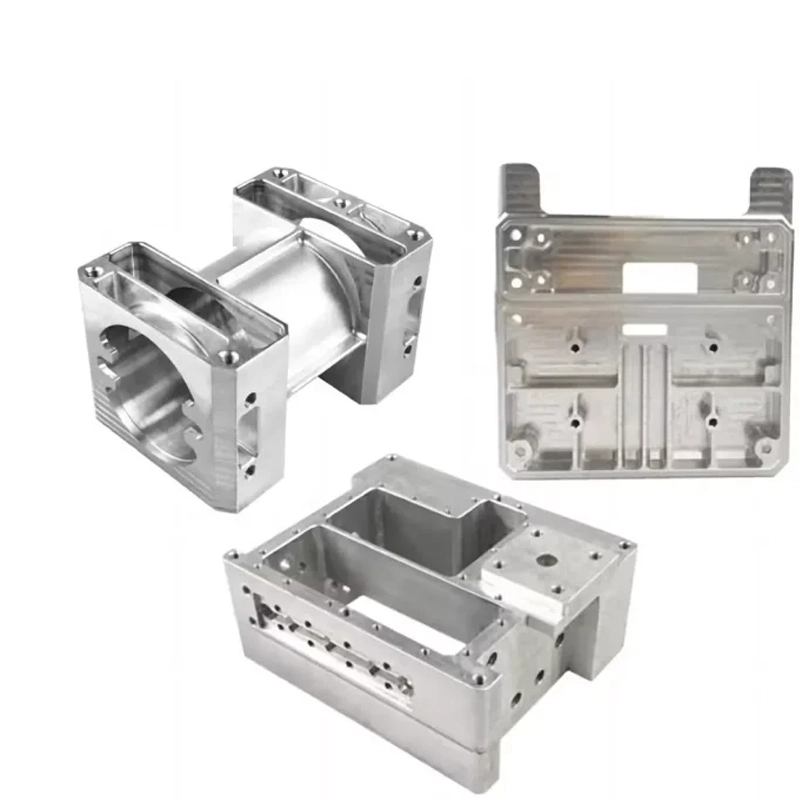
Tolerances depend on process, material, machine capabilities, and inspection methods. Typical achievable tolerances:
- Standard CNC machining: ±0.05 mm (±0.002″)
- Precision machining: ±0.01 mm (±0.0004″) with thermal control and fine tooling
- Ultra-precision setups (including grinding, lapping): single-digit microns for specialized applications
Communicate tolerance priorities early to avoid unnecessary cost; only call out tight tolerances where function requires them.
Which Industries Benefit Most from High-Precision Machined Components?
High-precision machined parts are vital for:
- Aerospace & defense (fuel systems, actuators)
- Medical devices (surgical instruments, implants)
- Automotive (transmission, braking components)
- Semiconductor & optics (precision mounts, fixtures)
- Industrial equipment and robotics
What Key Factors Should You Consider When Selecting a CNC Machining Partner?
For B2B sourcing pick a partner who offers:
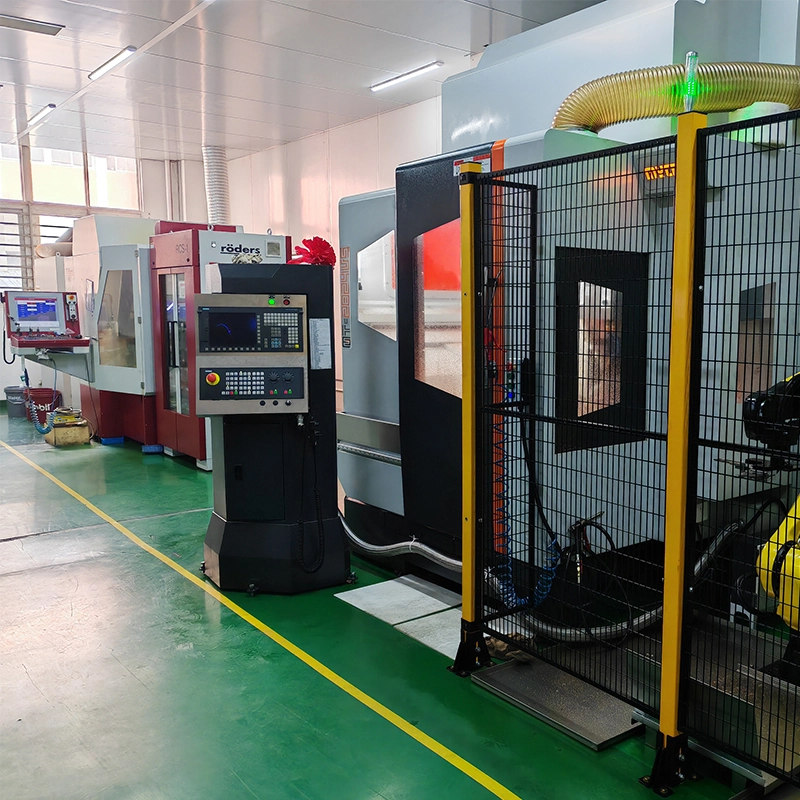
- Deep machining expertise and diverse machine fleet (turning, milling, multi-axis)
- Robust quality systems and inspection capabilities (CMM, surface finish metrology)
- One-stop service from DFM, prototyping, to production and finish operations
- Traceability, material certifications, and contract manufacturing experience
- Flexible custom service and a proven record as a reliable manufacturer and factory
At Topmetalstamping, we combine engineering reviews, precision machining, finishing, and assembly to deliver production-ready components with full documentation.
Conclusion
Machined parts and components remain fundamental to engineered systems where fit, function, and reliability matter. By selecting the right materials, understanding cost drivers for complex features, and collaborating with an experienced machining partner, companies can accelerate product development and control total cost of ownership.
Ready to convert a CAD file into production-ready machined components? Contact Topmetalstamping today for a feasibility review, DFM feedback, and a no-obligation quote. Our one-stop service is designed to take your part from prototype to volume with consistent high quality and responsive custom service.