
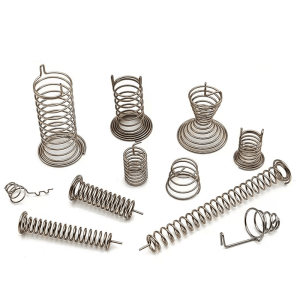
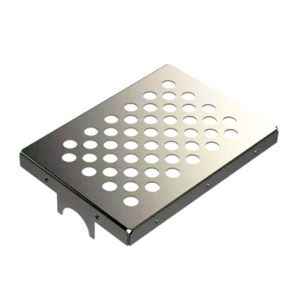
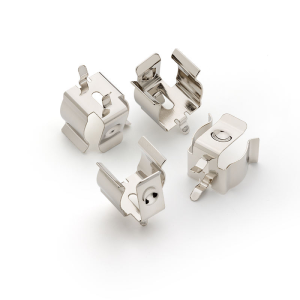
At Topmetalstamping, we work with global OEMs, product developers, and industrial buyers who need reliable custom metal stamping parts for demanding applications. Precision metal stamping is one of the most efficient and scalable manufacturing methods for producing complex metal components with tight tolerances and consistent quality.
However, not every project automatically benefits from stamping technology. Choosing the right manufacturing method requires understanding the design requirements, production volume, material selection, and cost targets of your product. By evaluating these factors, companies can determine whether precision stamping is the best solution for their application.
In this article, we will explore how precision metal stamping works, which industries rely on it most, and what factors help determine whether it is the right approach for your product.
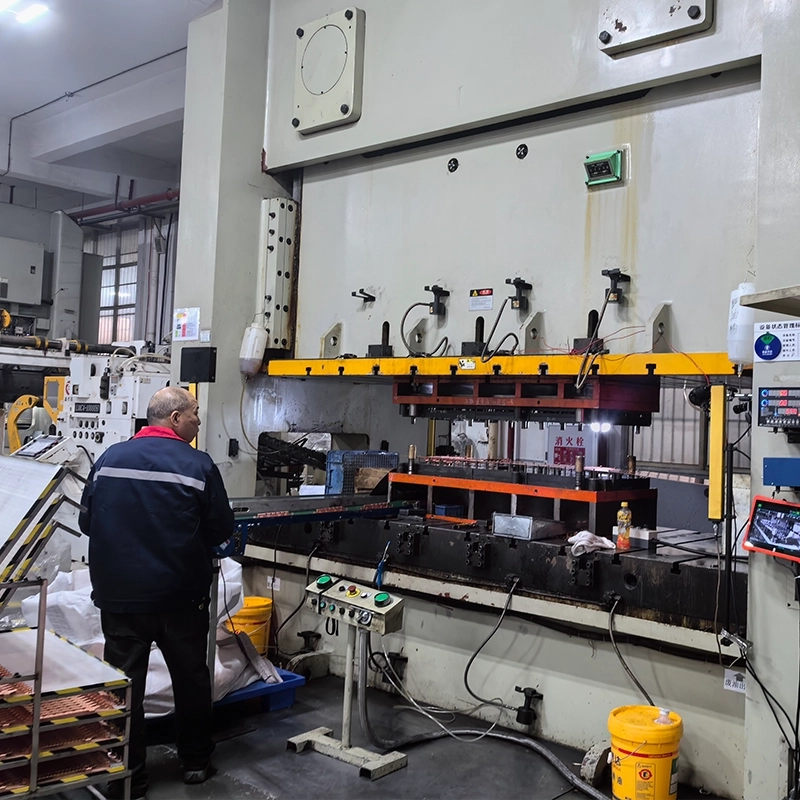
An Overview of Precision Metal Stamping
Precision metal stamping is a high-speed manufacturing process used to transform flat metal sheets or coils into finished components. Using specialized dies and stamping presses, the metal is cut, formed, bent, or drawn into the required shape with exceptional accuracy.
Compared with other manufacturing methods such as machining or casting, stamping is particularly well suited for large-scale production. Once tooling is developed, the process allows manufacturers to produce thousands or even millions of identical parts with minimal variation.
A professional manufacturer will typically offer additional services alongside stamping, including tooling development, material sourcing, surface finishing, and assembly. Many buyers prefer to work with suppliers that provide a one-stop service, as it simplifies supply chains and improves production efficiency.
Key advantages of precision metal stamping include:
- High production speed
- Excellent repeatability
- Tight dimensional tolerances
- Cost efficiency for large production runs
- Compatibility with many metal materials
These advantages make stamping a preferred solution for many industries where reliability and scalability are essential.
Industries Served
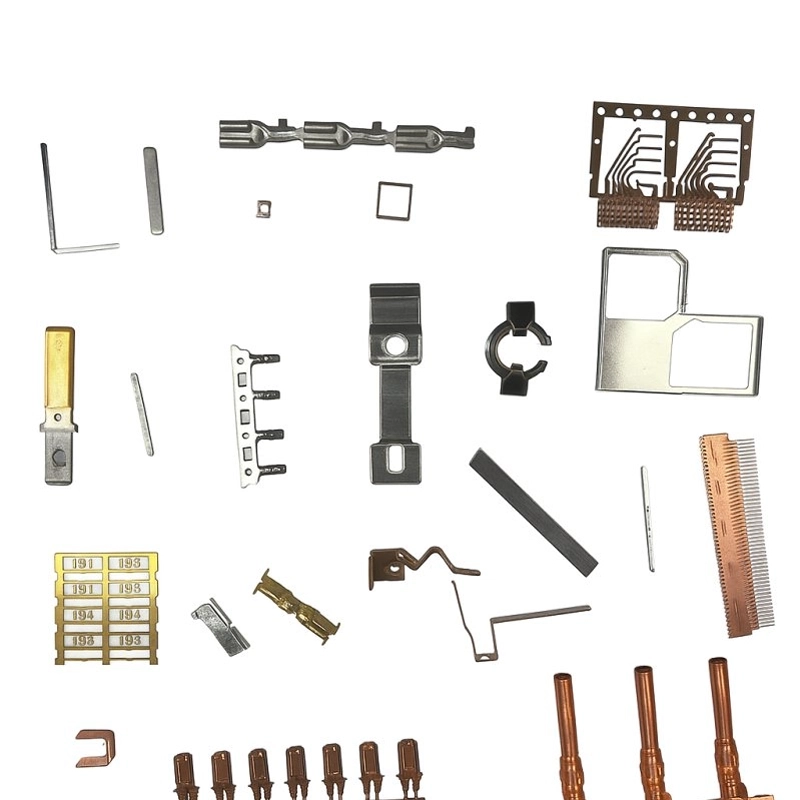
Precision metal stamping supports a wide range of industries that require durable and high quality metal components. Below are several sectors where stamping plays a critical role.
Automotive
The automotive industry is one of the largest users of precision metal stamping technology. Modern vehicles rely on thousands of stamped metal parts, including brackets, clips, terminals, housings, connectors, and structural components.
Automotive manufacturers choose stamping because it offers consistent quality and high production capacity. For parts used in safety systems or engine assemblies, maintaining tight tolerances is essential. A dependable manufacturer ensures these requirements are met through advanced tooling and rigorous inspection.
Aerospace
In aerospace manufacturing, reliability and weight optimization are crucial. Precision metal stamping is commonly used to produce lightweight yet strong components for aircraft systems, avionics, and structural assemblies.
Stamped components used in aerospace must meet strict industry standards and undergo detailed quality inspections. Working with experienced suppliers is essential to ensure material traceability, precision tolerances, and consistent manufacturing processes.
Medical Devices
Medical device manufacturers depend on extremely accurate components for surgical tools, diagnostic equipment, and implantable devices. Precision metal stamping is ideal for producing small, complex parts with fine details and smooth edges.
In medical applications, material quality and cleanliness are critical. Many components are made from stainless steel or specialized alloys that can withstand sterilization and long-term use.
By partnering with a skilled stamping manufacturer, medical companies can achieve repeatable production and maintain the high quality standards required for healthcare products.
Electrical Distribution
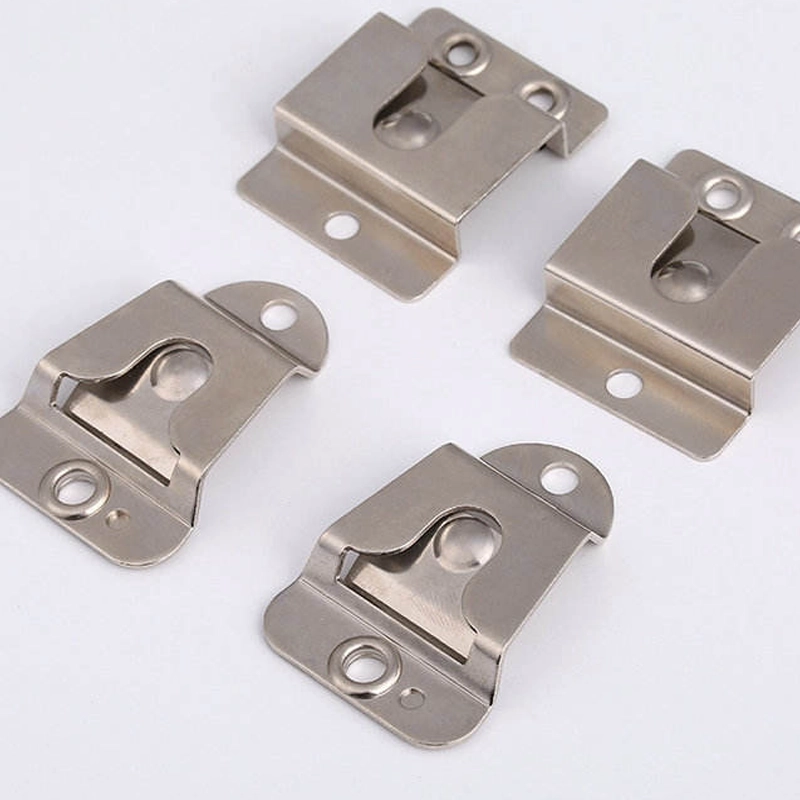
Electrical and power distribution systems require highly conductive and precisely shaped metal components. These include terminals, connectors, contact plates, and shielding parts.
Precision stamping allows manufacturers to produce these parts with consistent geometry and excellent electrical performance. Many electrical companies also require plating or surface treatments to improve corrosion resistance and conductivity.
By working with a supplier that offers a one-stop service, customers can combine stamping, finishing, and assembly in a single production workflow.
Appliances
Household appliances contain numerous stamped metal components used for structural support, electrical systems, and mechanical operation. Examples include brackets, clips, motor housings, and control components.
Appliance manufacturers often need large production volumes at competitive costs. Precision metal stamping helps achieve this by delivering reliable output with minimal material waste.
For companies developing new appliance products, custom metal stamping parts can be engineered to optimize performance, durability, and assembly efficiency.
Renewable Energy
Renewable energy systems such as solar panels, wind turbines, and energy storage units also rely heavily on precision metal components. Stamped parts are commonly used for mounting systems, connectors, brackets, and electrical hardware.
Because renewable energy equipment must withstand harsh environmental conditions, materials and manufacturing quality are extremely important. Choosing the right suppliers ensures that the components meet performance and durability requirements.
Conclusion
Precision metal stamping is an excellent solution for many industrial applications that require consistent quality, high production efficiency, and precise metal components. When the product design supports stamping and production volumes justify tooling investment, the process can significantly reduce costs while maintaining outstanding accuracy.
At Topmetalstamping, we specialize in producing custom metal stamping parts for global clients across automotive, aerospace, medical, electrical, appliance, and renewable energy industries. As an experienced manufacturer, we provide a complete one-stop service that includes tooling design, material sourcing, stamping production, finishing, and quality inspection.
If you are evaluating whether precision metal stamping is the right solution for your project, our engineering team would be happy to help. Share your drawings, technical requirements, or production goals with us, and we can recommend the most efficient manufacturing approach for your application.
Frequently Asked Questions
What industries benefit from precision metal stamping?
Industries such as automotive, aerospace, medical devices, electrical systems, appliances, and renewable energy all benefit from precision metal stamping due to its efficiency, scalability, and accuracy.
How does Keats Manufacturing ensure precision in metal stamping?
Precision is achieved through advanced tooling design, high-performance stamping presses, strict process control, and comprehensive inspection procedures. These practices ensure consistent dimensions and reliable part quality.
Can I get custom designs for my metal stamped parts?
Yes. Most professional suppliers offer engineering support to create custom metal stamping parts tailored to specific product requirements, including material selection, geometry optimization, and production feasibility.
What is the lead time for precision metal stamping projects?
Lead time depends on tooling complexity, material availability, and order volume. Typically, tooling development may take several weeks, while production lead time varies depending on batch size.
How does Keats handle quality control in its manufacturing processes?
Quality control involves multiple inspection stages including raw material verification, in-process monitoring, dimensional measurement, and final product testing.
What are the advantages of using four-slide machines for stamping?
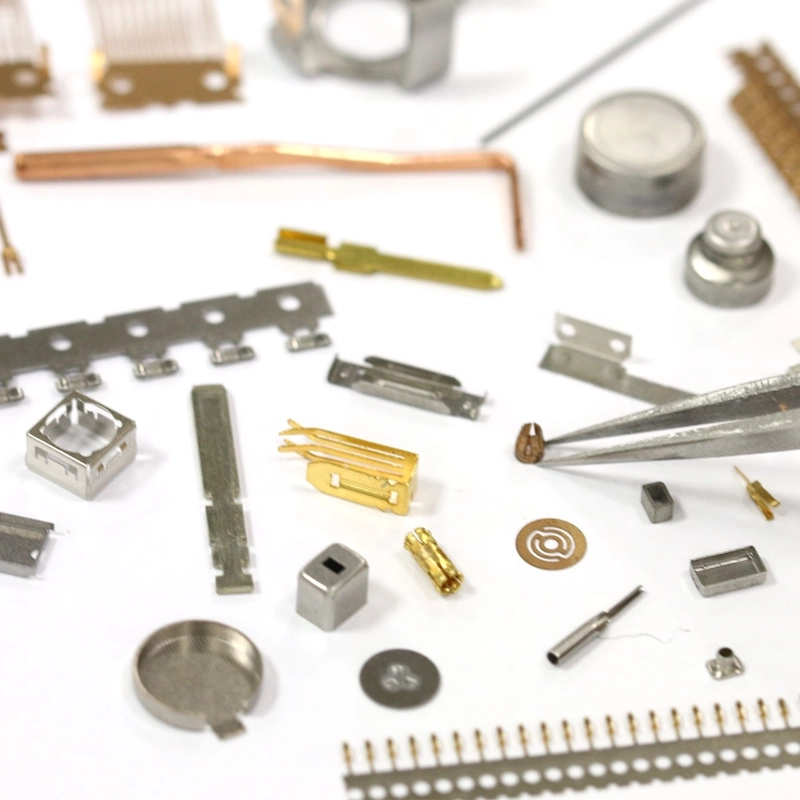
Four-slide stamping machines allow complex shapes to be produced efficiently from metal strip stock. They enable multiple forming operations in a single cycle, improving production speed and consistency.
How do you ensure compliance with industry standards?
Compliance is maintained through strict process control, material traceability, and adherence to relevant industry certifications and manufacturing guidelines.
What types of materials can be used in precision metal stamping?
Common materials include stainless steel, carbon steel, aluminum, copper, brass, and specialty alloys depending on the performance requirements of the application.