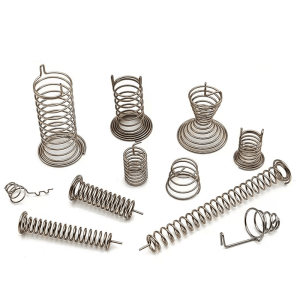
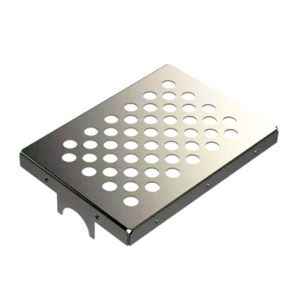
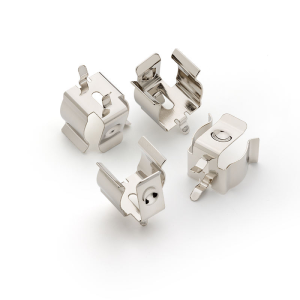
Metal stamping is an essential manufacturing process that powers industries ranging from automotive to electronics, producing everything from body panels to intricate electronic components. When executed with precision, metal stamping can create components that fit together flawlessly. But lurking in the shadows of this seemingly straightforward process is a hidden menace: oil contamination.
Oil contamination in metal stamping may seem like a minor issue, but it can quickly escalate into a major problem, negatively impacting both the accuracy of your components and the longevity of your tooling. In this blog, we’ll dive into the specifics of how oil contamination affects precision, tool life, and overall production quality. We’ll also explore practical measures to minimize its impact, ensuring your production runs smoothly and your parts maintain the highest standards.
1. Understanding Oil Contamination in Metal Stamping
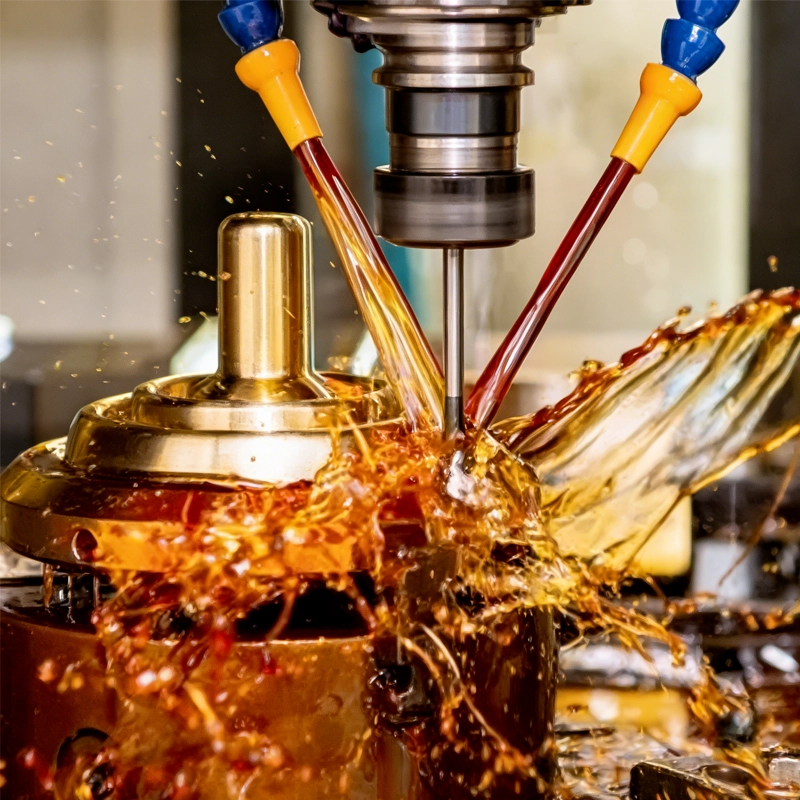
In metal stamping, lubricants are essential for reducing friction, dissipating heat, and prolonging tool life. However, oil contamination refers to the presence of unwanted oil residues, particles, or debris that find their way into the stamping process. This could be the result of over-lubrication, insufficient cleaning of dies, or improper oil application.
The key problem with contamination is that it interferes with the consistent flow of material through the dies and molds, causing a ripple effect that can manifest in a variety of ways, including dimensional errors, tool wear, and decreased surface quality.
2. How Oil Contamination Disrupts Precision in Metal Stamping
When oil contamination occurs, even in small amounts, it can have a significant impact on the precision of the stamped components. This is especially critical in industries where tolerances are tight and every millimeter matters, such as aerospace or high-precision automotive parts.
Here’s how oil contamination affects precision:
-
Inconsistent Material Flow: When excess oil coats the material during stamping, it creates an uneven surface on the sheet metal, leading to variations in thickness. The lubrication can also interfere with the die’s grip on the material, causing slippage or misalignment during the stamping process.
-
Die Cavity Alteration: Over time, oil buildup inside the die cavity can change the die’s shape. As the lubrication collects, it may form hardened deposits or attract additional debris, which alters the die’s dimensional accuracy. This ultimately results in stamped parts that fail to meet the desired specifications, affecting both fit and function.
-
Adhesion Issues in Secondary Processes: Oil contamination can also create problems in post-stamping operations, like coating or painting. Lubricants that remain on the metal surface can prevent coatings from adhering properly, leading to poor surface finishes and reduced corrosion resistance.
3. How Oil Contamination Affects Tool Life and Precision
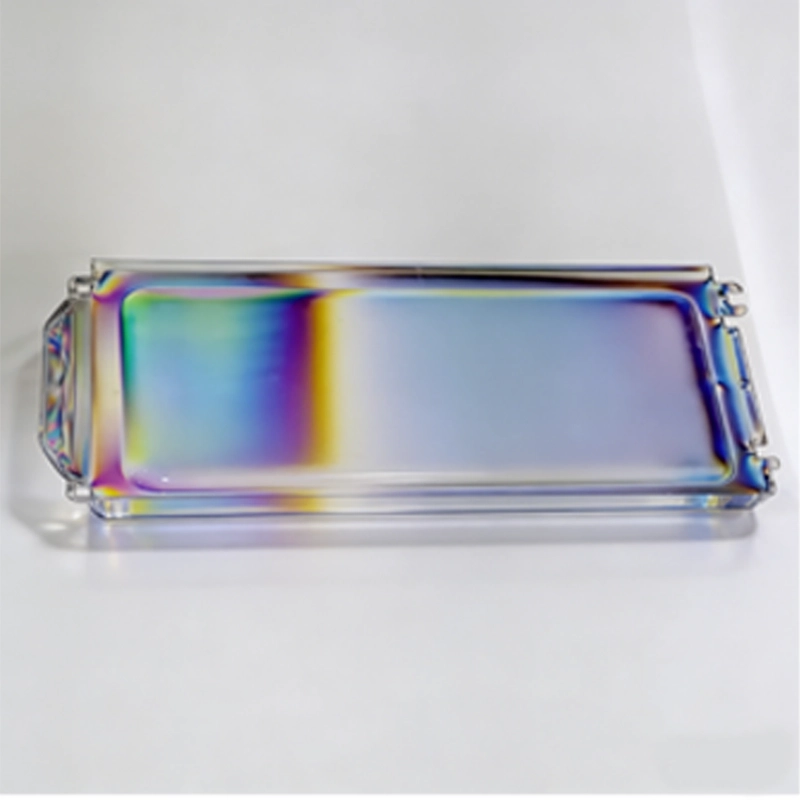
Oil contamination accelerates tool wear and reduces the overall precision of stamped parts. The consequences include:
-
Increased Tool Wear: Excess friction from contaminated oil causes faster wear of dies and tooling, leading to more frequent maintenance and replacements.
-
Loss of Dimensional Accuracy: As tooling degrades and oil films break down, stamped parts lose their precise dimensions, making them unsuitable for high-precision applications.
-
Higher Maintenance Costs: Increased contamination leads to more frequent downtime for cleaning, tool reconditioning, and part replacements, raising overall maintenance costs.
4. Strategies for Minimizing Oil Contamination in Metal Stamping
To mitigate the impact of oil contamination, companies must take proactive steps to minimize the risk during production. The following best practices can help:
-
Precise Lubricant Application: Use automated oiling systems that apply precise amounts of lubrication to the tooling or material. This ensures that only the necessary amount of oil is used, reducing excess oil buildup and minimizing contamination risks.
-
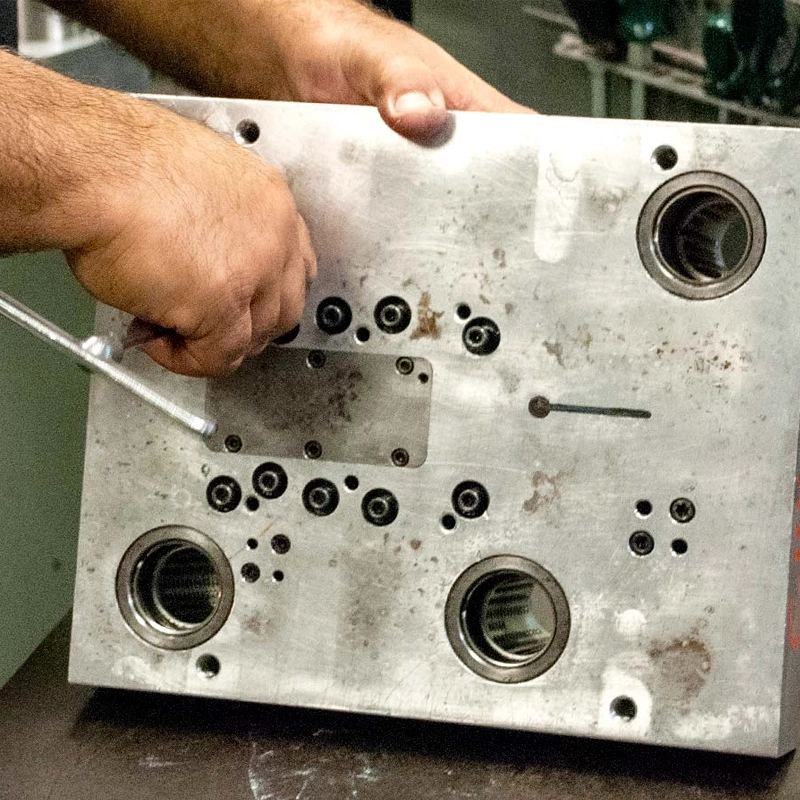
Regular Die Cleaning: Clean tooling and dies regularly to remove any oil residue or particles that could cause contamination. Make sure to use the appropriate cleaning agents that won’t leave behind their own residues or cause further issues.
-
Monitor Oil Quality and Maintenance: Implement a regular oil inspection program to monitor the condition of the lubricant. Ensure that oils are free from impurities and replace them when necessary. A routine oil change schedule can prevent build-up and contamination.
-
Invest in Quality Control Equipment: Use high-tech inspection equipment to monitor part dimensions, surface finish, and coating adhesion, enabling you to detect and address contamination early in the process.
-
Training for Operators: Train operators and maintenance personnel on the importance of managing lubrication and contamination. Proper knowledge of the risks of oil contamination can go a long way in ensuring it’s kept under control.
5. How TopMetalStamping Tackles Oil Contamination Challenges
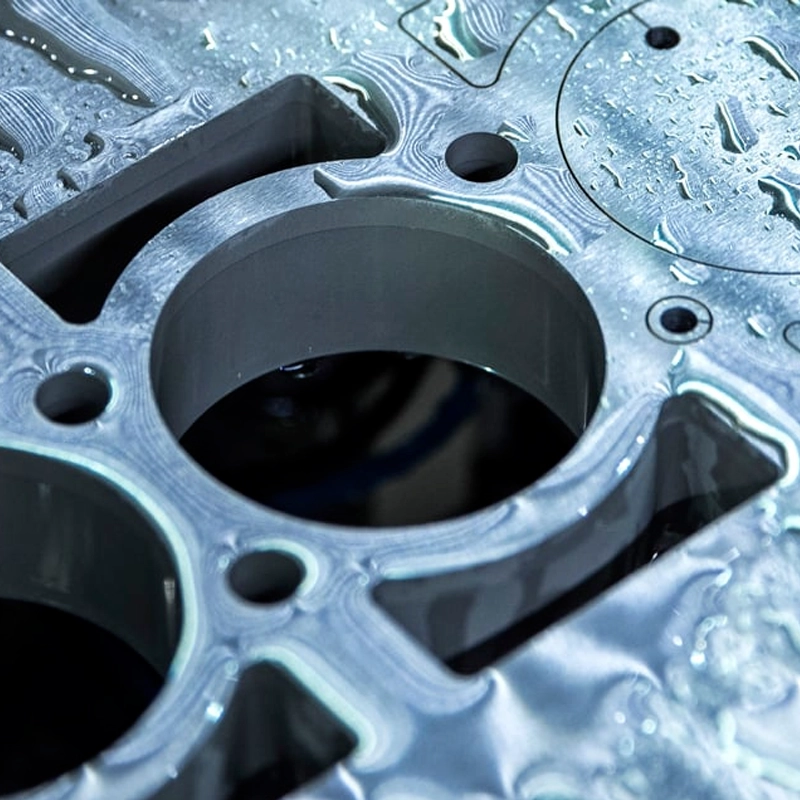
At TopMetalStamping, we recognize that oil contamination is one of the most critical factors affecting both the precision and efficiency of the stamping process. That’s why we invest in cutting-edge lubrication systems and rigorous maintenance protocols to minimize the risk of contamination in all our operations. By implementing best practices for oil management and tool care, we ensure that your parts meet the highest standards for both quality and durability.
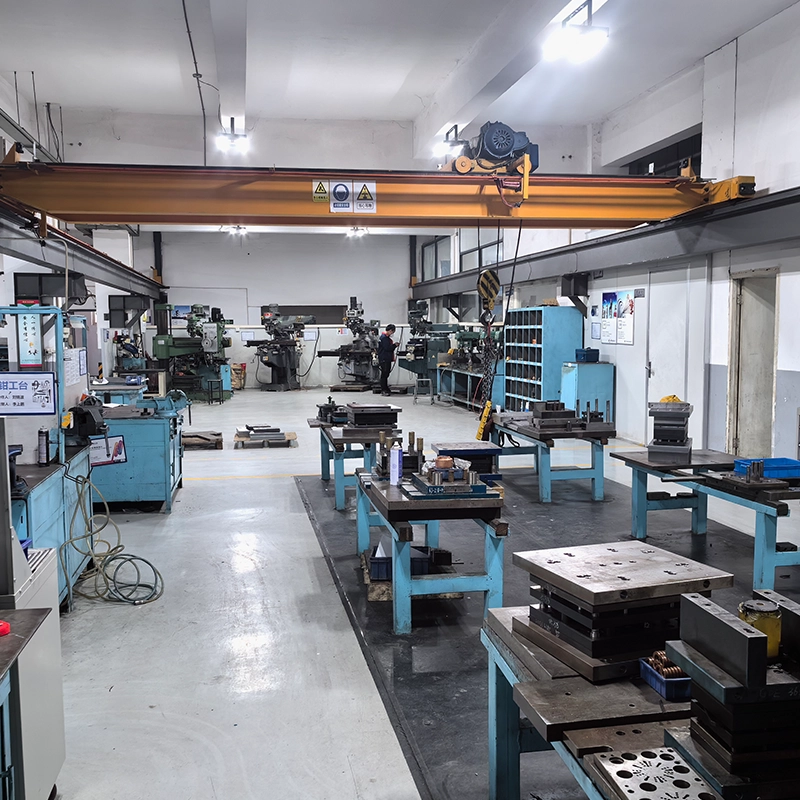
Our state-of-the-art facilities are designed to meet the demanding needs of industries such as automotive, aerospace, and electronics. With a focus on quality, precision, and reliability, TopMetalStamping offers a comprehensive range of services—from prototyping to high-volume production—all while keeping oil contamination to a minimum and ensuring the longevity of tooling and equipment.