
Introduction: Connectors – The Unsung Heroes of Electronics
Okay, let’s be real. When you plug in your phone, power up your laptop, or install a new device, you don’t typically give much thought to the connectors that make it all happen, right? Yet, these tiny components are the unsung heroes that keep our electronics running smoothly, reliably, and—most importantly—without issues.
But what exactly are connectors? And why are they so important? Grab a seat, because we’re diving deep into the world of connectors, how they’re made, and why TopMetalStamping is at the forefront of making sure these tiny parts are flawless.
What Are Connectors Anyway? (And No, They’re Not Just USB Ports)
At their core, connectors are the gatekeepers of your device’s functionality. Imagine your phone as a highway system, and connectors as the on-ramps and off-ramps where data, power, and signals enter and exit your device. Without connectors, your device wouldn’t function at all.
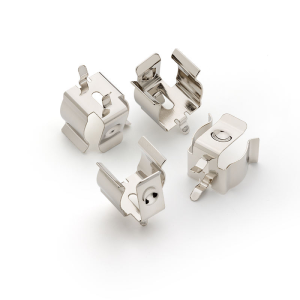
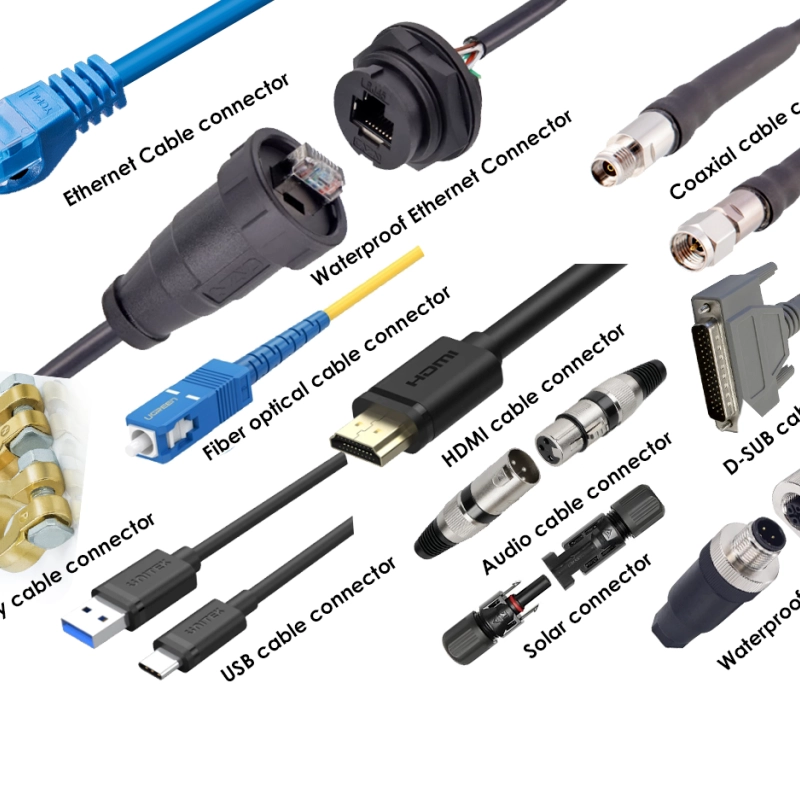
In simpler terms, connectors link different parts of an electronic system, allowing data or power to flow between them. But connectors aren’t all the same—there’s a variety of shapes, sizes, and types, each tailored to specific functions. From USB ports on your computer to coaxial connectors for your cable TV, connectors play an irreplaceable role in nearly every electronic device you use.
Different Types of Connectors (A Mini Connector “Showdown”)
Let’s break it down a bit. Connectors come in a ranof varieties, each designed for specific purposes, just like different types of plugs for different devices.
1. USB Connectors: The MVP of Everyday Electronics
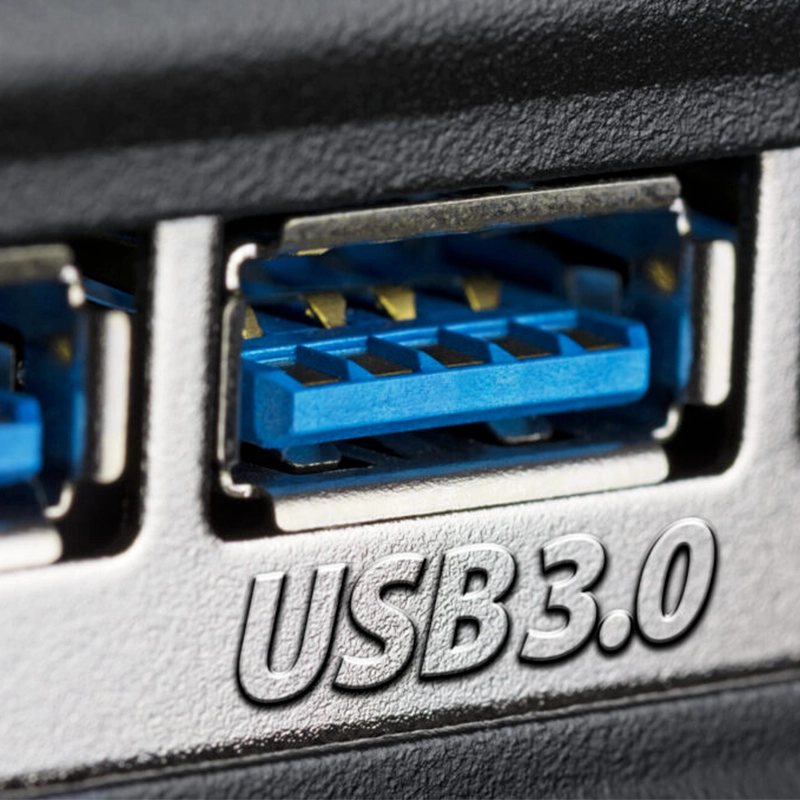
Let’s start with the obvious. USB connectors are everywhere. Whether it’s a USB-A on your desktop or the sleek USB-C on your smartphone, these connectors are the workhorses of modern tech. USB connectors are crucial for transferring data and delivering power, so whether you’re charging your phone or moving files, USBs get the job done.
2. Board-to-Board Connectors: Connecting the Brains of Your Device
Ever wondered how the internal components of your device “talk” to each other? Well, board-to-board connectors are the answer. They connect printed circuit boards (PCBs) together, allowing processors, memory, and other components to communicate and work as a unit. Without these connectors, your device would be a bunch of parts lying around doing absolutely nothing!
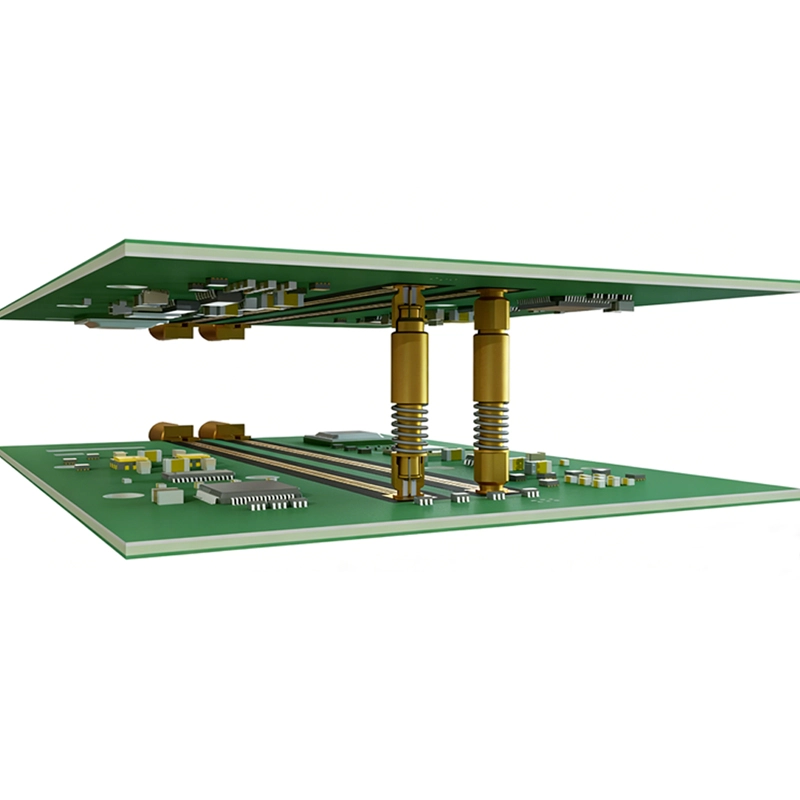
3. Wire-to-Board Connectors: Linking Power and Data
These are the linking pins that connect wires to circuit boards, bringing together the power and data needed to make the device work. Imagine plugging in a new LED light in your living room; the wire-to-board connectors are there, linking the power to the PCB and making sure your light turns on when you flick the switch.
4. Coaxial Connectors: The Secret to Smooth TV Streaming
If you’ve ever set up cable TV or hooked up an internet router, you’ve likely encountered coaxial connectors. These specialized connectors are used to transmit high-frequency signals, making them ideal for television, data communication, and networking applications.
5. Circular Connectors: The Tough Ones for Tough Jobs
When you’re dealing with harsh environments—say, in an aerospace or military setting—circular connectors are your go-to choice. These connectors are known for their ruggedness, designed to withstand vibration, dust, moisture, and extreme temperatures.
6. Power Connectors: Delivering the Juice
Last but certainly not least, power connectors are essential for delivering power to various devices, from smartphones to heavy machinery. Whether it’s a high-voltage connector in an industrial setting or a low-power adapter for your phone, power connectors make sure your devices have the energy they need to run.
 ge
ge
Why Do Connectors Matter? Let’s Talk Impact
Now that we’ve covered the types, let’s dig into why connectors are so important. Sure, you might think they’re just tiny components, but these little guys do a lot of heavy lifting behind the scenes.
1. Efficiency
The best connectors ensure efficient signal transmission and power delivery. A poorly made connector can lead to poor performance, signal degradation, or even complete device failure. Good connectors keep everything running smoothly, ensuring that power flows where it’s supposed to, and that data moves quickly and accurately.
2. Durability
A connector needs to hold up over time, especially in demanding environments. Whether you’re using a coaxial connector at home or a military-grade connector in a fighter jet, durability is key. Poor-quality connectors can corrode, break, or fail under stress, leading to costly repairs or replacements.
3. Reliability
Imagine trying to play a video game or stream a movie, and the connection keeps dropping. Frustrating, right? That’s why reliable connectors are critical. Whether it’s a tiny USB port or a hefty power connector, the reliability of these components determines whether your device works like a charm or gives you constant headaches.
4. Customization is Key
No two industries are exactly the same. TopMetalStamping is proud to offer custom connectors that are designed to meet the unique needs of various industries, from automotive to consumer electronics. Whether you need a miniaturized connector for a mobile device or a heavy-duty connector for industrial machines, we’ve got the expertise to deliver exactly what you need.
The Manufacturing Process: Where the Magic Happens
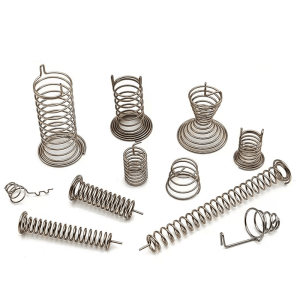
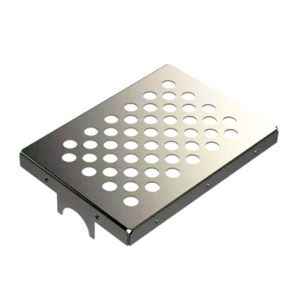
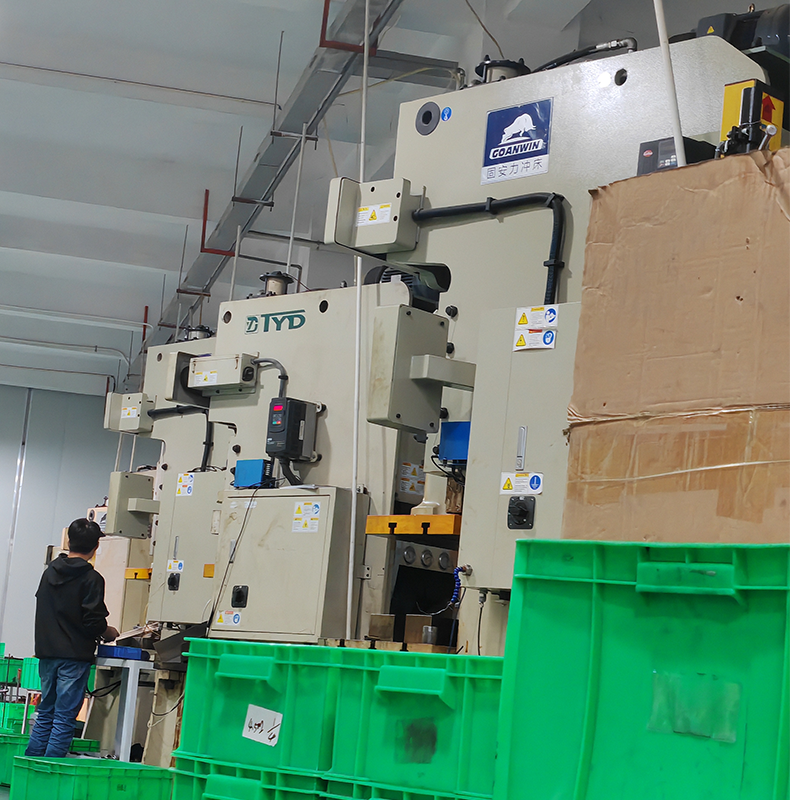
Now that we know why connectors are important, let’s look at how they’re made. At TopMetalStamping, we use advanced metal stamping techniques to manufacture connectors that are precise, durable, and reliable.
-
Material Selection
The right material is critical for the performance of the connector. We use metals like copper, brass, and aluminum—materials known for their excellent conductivity and durability. -
Stamping and Forming
Once the materials are selected, they are fed into high-precision stamping presses to form the intricate shapes of the connectors. This process ensures that connectors have the right dimensions and tight tolerances, which are essential for a secure and reliable connection. -
Assembly and Testing
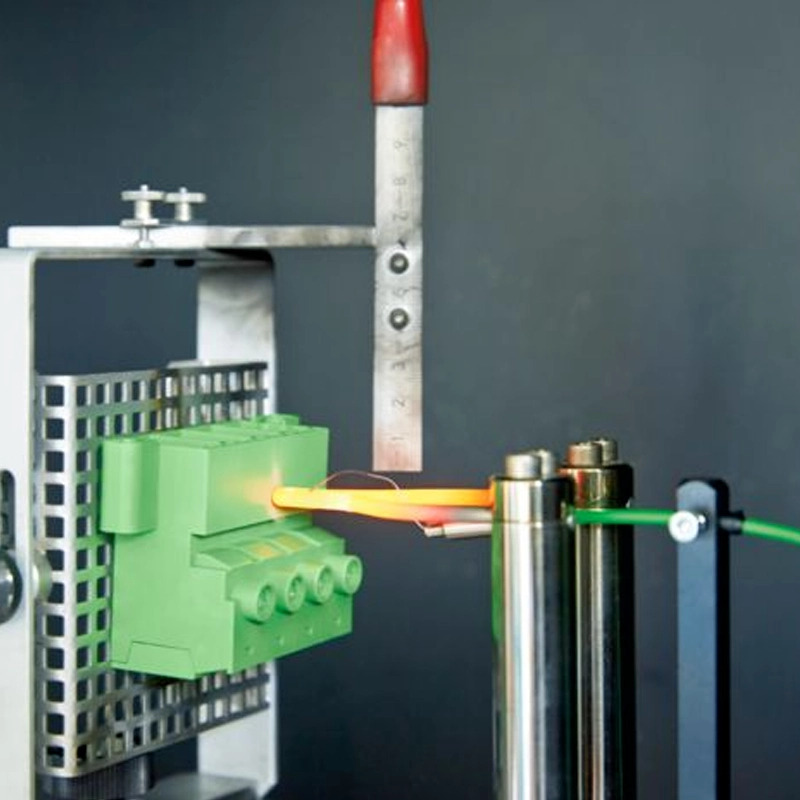
After stamping, the components are assembled and rigorously tested to ensure electrical conductivity, mechanical durability, and environmental resistance. We ensure that each connector is ready to perform under real-world conditions, whether it’s in a car engine or an airplane.
Why TopMetalStamping? Your Connector Manufacturing Partner
At TopMetalStamping, we don’t just make connectors; we craft solutions tailored to your unique needs. Whether you need connectors for consumer electronics, medical devices, or automotive applications, we offer custom designs and precise manufacturing to ensure you get the best performance.
We specialize in high-quality, custom connectors that meet your specifications, ensuring that they perform reliably in any environment. Our team is dedicated to innovation, precision, and delivering connectors that exceed expectations.
Conclusion: The Heartbeat of Your Devices
So, the next time you plug in your phone or power up your laptop, remember to thank the connector that makes it all work. It may be small, but it plays a huge role in ensuring your device runs smoothly, efficiently, and reliably. From USB connectors to heavy-duty power connectors, these little components are the heartbeat of modern electronics.
At TopMetalStamping, we’re proud to manufacture precision connectors that keep your devices performing at their best. With our experience in metal stamping and custom solutions, we’re here to provide you with the highest quality connectors for every need.