
In the world of electronics, automotive systems, home appliances, industrial controls, and renewable energy equipment, metal terminals are the unsung heroes of connectivity. They’re small, easy to overlook, and rarely featured in marketing brochures—but when they fail, everyone notices.
A device that overheats, loses power, suffers signal interruptions, or dies long before retirement age may not have a problem with its “main component” at all. Quite often, the real culprit is the connection point—and that means the terminal system.
So no, a metal terminal is not “just a piece of hardware.” It is a functional component that directly affects electrical performance, safety, durability, and manufacturing efficiency. For buyers, engineers, and product managers, understanding how terminals work can lead to smarter sourcing decisions and fewer unpleasant surprises later.
1. What Is a Metal Terminal?
A metal terminal is a conductive metal component used to create an electrical or mechanical connection between parts. You’ll find them in connectors, wire harnesses, switches, relays, battery packs, control panels, PCB interfaces, and countless other assemblies.
Its main job is simple in theory: transfer current or signals reliably from one component to another while maintaining a secure physical connection.
In practice, a high-quality terminal needs to do much more than simply “touch metal to metal.” It should provide:
- Low and stable electrical resistance
- Strong mechanical retention
- Long-term contact reliability
- Resistance to corrosion and environmental stress
- Consistent performance over repeated use cycles
In short, terminals don’t just connect things—they keep products alive.

2. Why Are Metal Terminals So Important?
In many electrical systems, terminals are one of the most common failure points because they sit exactly where power, motion, vibration, heat, and environmental exposure meet.
If contact pressure is poor, resistance increases. Increased resistance creates heat. Heat creates problems. Problems create warranty claims.
If the retention structure is weak, vibration can loosen the connection. If the wrong plating is used, oxidation may build up and degrade conductivity. If sizing is incorrect, current capacity may be exceeded.
And here’s the part purchasing teams know well: terminals may represent a small percentage of BOM cost, but a terminal failure can compromise the entire product.
Choosing the right terminal is not just component sourcing—it’s risk management.
3. Common Types of Metal Terminals
There are many types of terminals, each designed for specific assembly methods and operating environments.
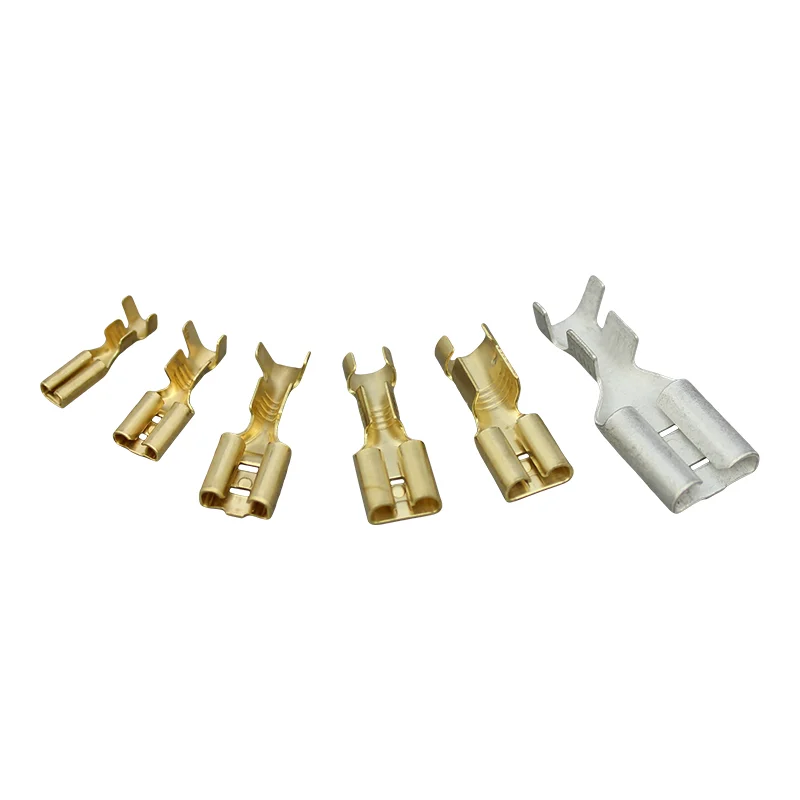
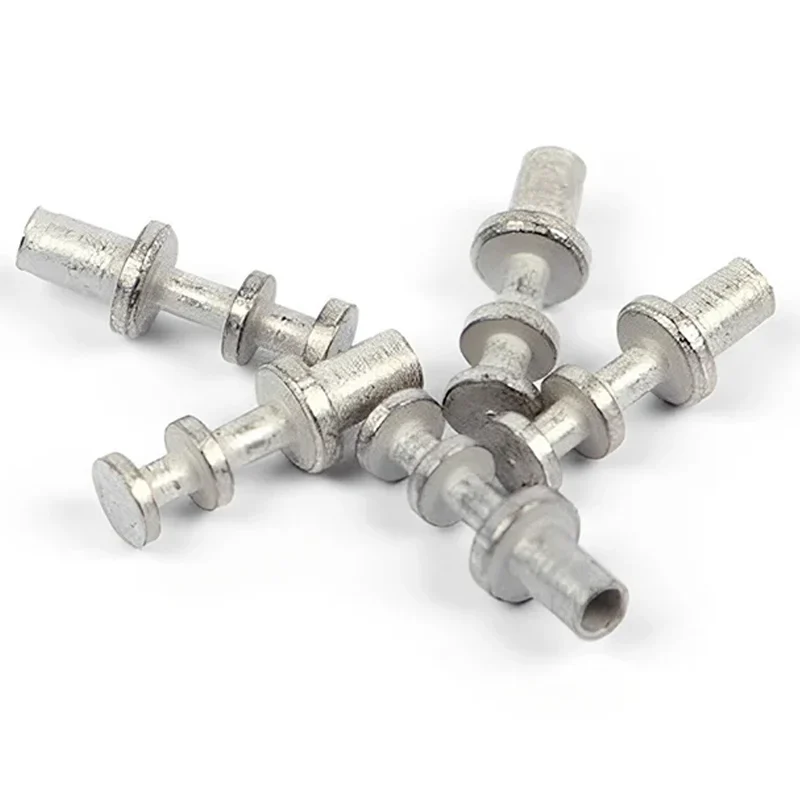
Crimp Terminals
Crimp terminals are among the most widely used options. A tool mechanically compresses the wire conductor into the terminal barrel, creating a gas-tight connection.
They offer high production efficiency, repeatability, and strong electrical performance, making them ideal for automotive wire harnesses, appliances, and mass production.
Solder Terminals
Solder terminals use molten solder to bond wires or PCB pads to the terminal.
They are commonly used in electronics where permanent connections are preferred and frequent disassembly is not required.
Screw Terminals
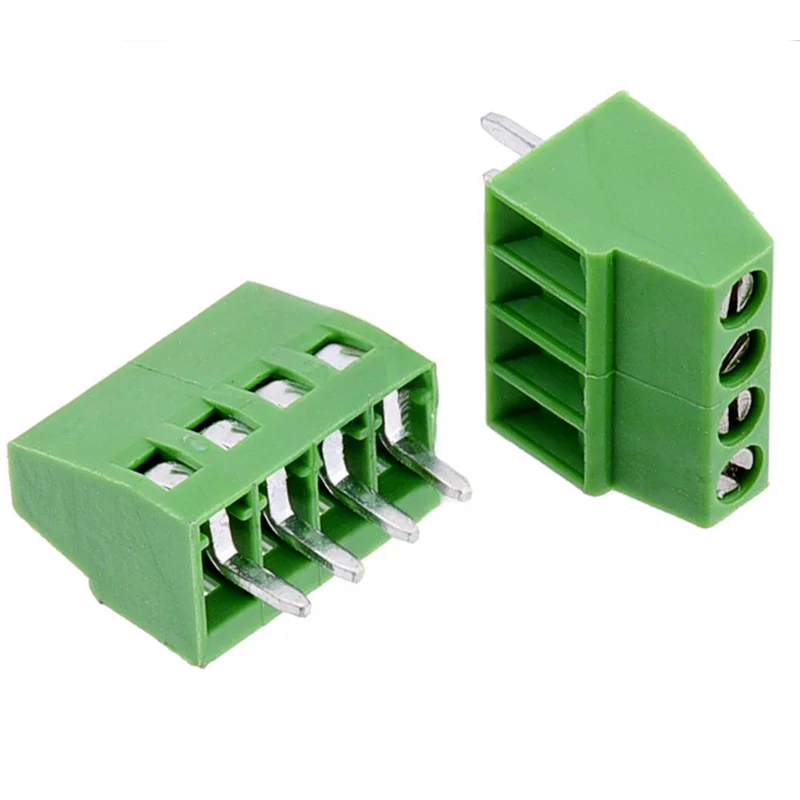
These secure conductors using a screw clamp.
They are popular in distribution equipment, industrial control cabinets, and field-installed systems because wiring is straightforward and maintenance is easy.
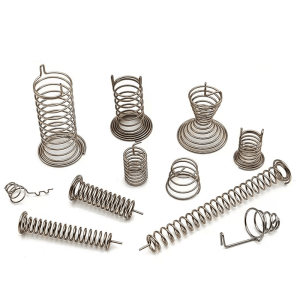
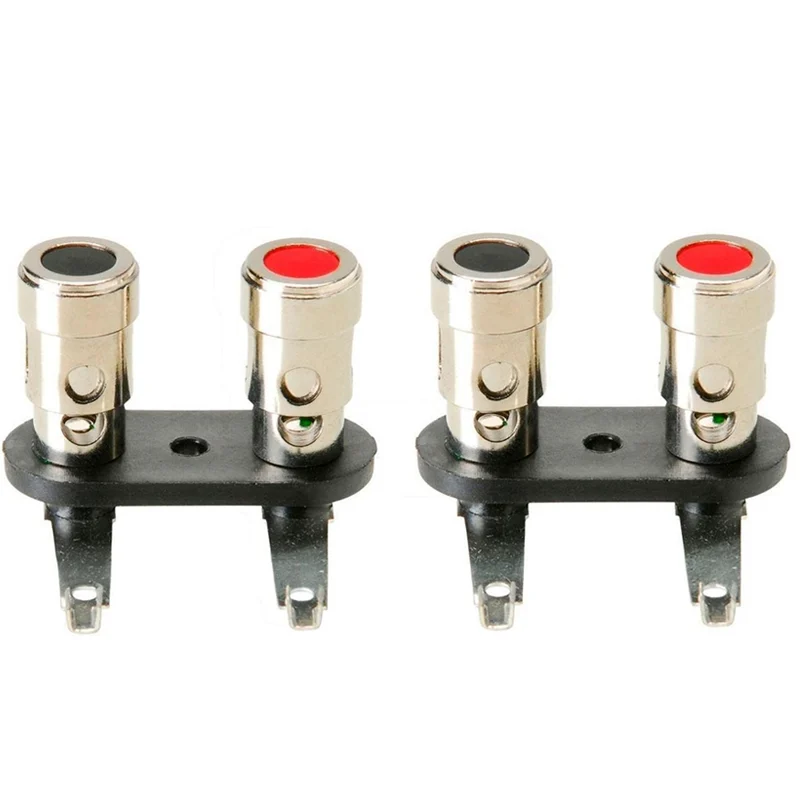
Spring Terminals
Spring terminals use elastic force to clamp the conductor and automatically compensate for vibration or conductor relaxation.
They perform especially well in automation equipment and high-vibration environments.
Shape-Based Variants
Depending on geometry and application, terminals may also be classified as:
- Ring terminals
- Fork terminals
- Blade terminals
- Pin terminals
- Male/Female terminals
- Quick-disconnect terminals
The best option depends on space constraints, serviceability, mating cycles, and installation method.

4. Common Terminal Materials and Their Differences
Material selection has a major impact on conductivity, strength, spring properties, corrosion resistance, and cost.
Brass
A highly common terminal material with good machinability and balanced cost-performance.
Widely used in appliances, consumer electronics, and general-purpose connectors.
Phosphor Bronze
Offers better elasticity and fatigue resistance than brass.
Excellent for female contacts and connectors requiring long-term contact force or repeated insertion cycles.
Beryllium Copper
High-end material combining conductivity, strength, and excellent spring performance.
Often used in precision electronics, aerospace, and mission-critical applications. It performs beautifully—and invoices accordingly.
Stainless Steel
Excellent corrosion resistance and mechanical strength, but relatively poor conductivity.
Typically used for clips, springs, shields, and structural components rather than primary current-carrying contacts.
Important Note
The highest conductivity material is not always the best choice. Many applications require a balance of electrical performance, durability, elasticity, and cost. That’s why copper alloys are often more practical than pure copper.
5. Why Surface Plating Matters
Even if the base material is correct, poor surface performance can shorten terminal life. Oxidation, wear, and fretting corrosion can all degrade contact quality over time.
That’s why many terminals receive electroplated finishes.
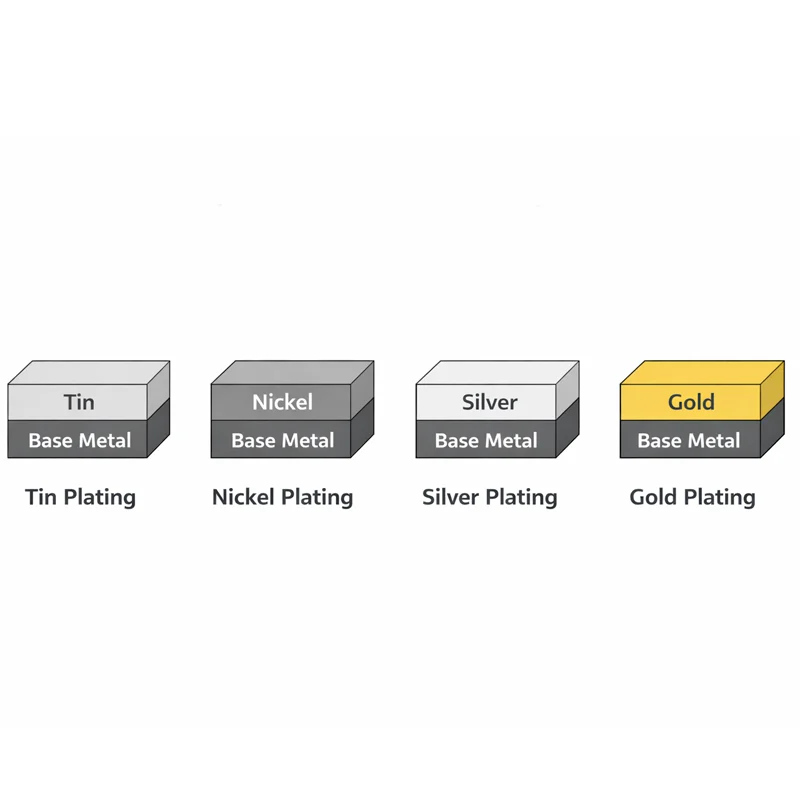
Tin Plating
The most common and economical option.
Good solderability and suitable for many general-purpose applications.
Nickel Plating
Used to improve wear resistance and often applied as an underlayer beneath other finishes.
Silver Plating
Excellent conductivity and ideal for high-current applications such as power systems and industrial equipment.
Gold Plating
Superior oxidation resistance and highly stable low-level signal performance.
Common in medical devices, communication systems, and premium electronic connectors.
When evaluating terminals, don’t stop at base metal. Surface finish often determines long-term reliability.
6. How Manufacturing Quality Affects Performance
Many buyers compare only dimensions and price. Smart buyers also look at process capability.
Metal terminals are typically produced through precision stamping, followed by forming, plating, inspection, and packaging.
Critical quality factors include:
- Die precision
- Dimensional tolerance control
- Burr management
- Forming consistency
- Plating thickness uniformity
- Contact geometry accuracy
Two terminals may look identical in photos yet perform very differently in production.
Poor tolerance control can lead to loose mating, excessive insertion force, unstable crimping, or intermittent contact. That’s why supplier capability matters just as much as drawing compliance.
7. Common Failure Modes
Most terminal failures fall into four categories:
High Contact Resistance
Can cause voltage drop, overheating, or unstable signals.
Typical causes include oxidation, low contact force, contamination, or wear.
Overheating
Occurs when terminal size or material is not matched to current load.
Long-term overheating may deform housings or damage insulation.
Loosening Under Vibration
Common in automotive, industrial, and mobile equipment.
Insufficient retention or poor spring design can create intermittent failures.
Corrosion
Humidity, chemicals, salt spray, and outdoor exposure can degrade unprotected terminals quickly.
The good news? Most of these issues are preventable through proper design and supplier selection.
8. How to Choose the Right Metal Terminal
Start with electrical requirements:
- Current rating
- Voltage level
- Wire size
- Temperature rise limits
Then evaluate mechanical needs:
- Crimp, solder, screw, or plug-in connection
- Available installation space
- Required mating cycles
- Service and maintenance access
Next, assess the environment:
- High temperature
- Moisture
- Salt spray
- Vibration
- Chemical exposure
- Outdoor use
Finally, consider supply chain realities:
- Certifications
- Lead time stability
- Production scalability
- Quality systems
- Total cost of ownership
The cheapest terminal is not always the least expensive decision.
9. Final Thoughts
Metal terminals may be small, but their impact is enormous. From material selection and plating to geometry and manufacturing precision, every detail influences system reliability.
For procurement teams, understanding terminals is about more than buying parts—it’s about reducing field failures, protecting brand reputation, and building a more dependable supply chain.
If your project requires precision-stamped metal terminals with consistent quality and scalable production support, manufacturers such as topmetalstamping can provide custom solutions tailored to demanding B2B applications.