
In modern electrical and industrial systems, selecting the right terminal connectors directly impacts conductivity, mechanical reliability, and long-term system stability. Whether used in automotive wiring, battery systems, or control panels, both tubular ring terminals and stamped & formed terminals serve critical but fundamentally different engineering purposes.
At Topmetalstamping, we design and manufacture high-precision crimp connectors, including battery terminal connectors, ring terminal, and spade terminal solutions for global OEM and industrial applications. This guide breaks down the real technical differences so engineers and buyers can make informed decisions.
1. Tubular Ring Terminals: Precision Engineering at Its Core
Tubular ring terminals are traditionally manufactured from a metal tube (typically copper or tinned copper) that is mechanically formed and crimp-ready. Their structure is robust, symmetrical, and designed for high-reliability connections in demanding environments.
These terminals are widely used in:
- Automotive battery systems
- Industrial power distribution
- High-vibration environments
- Heavy-duty grounding applications
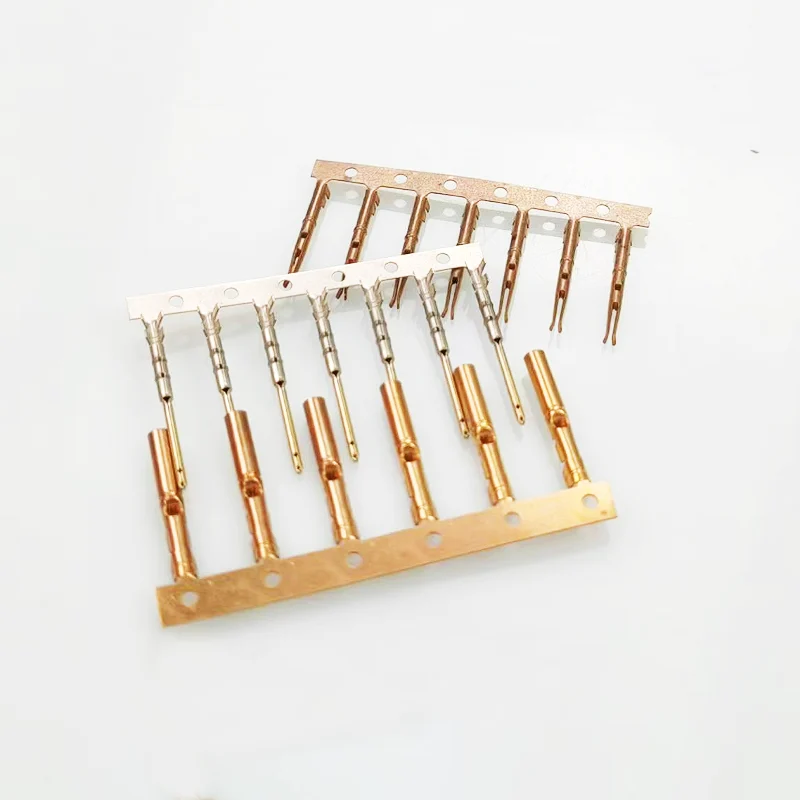
Key Technical Features of Tubular Ring Terminals:
- Seamless or brazed tubular structure for high mechanical strength
- Deep crimp barrel design ensuring strong wire retention
- High conductivity copper base material for minimal resistance loss
- Tin or nickel plating for corrosion resistance
- Excellent vibration resistance, ideal for automotive and battery systems
- Compatible with standard crimp connectors tooling systems
From a manufacturing perspective, tubular ring terminals require tighter control over tubing thickness, crimp deformation, and plating uniformity. At Topmetalstamping, precision stamping and post-processing ensure consistent electrical performance across every batch.
2. Stamped/ Formed Terminals: Efficiency in Mass Production
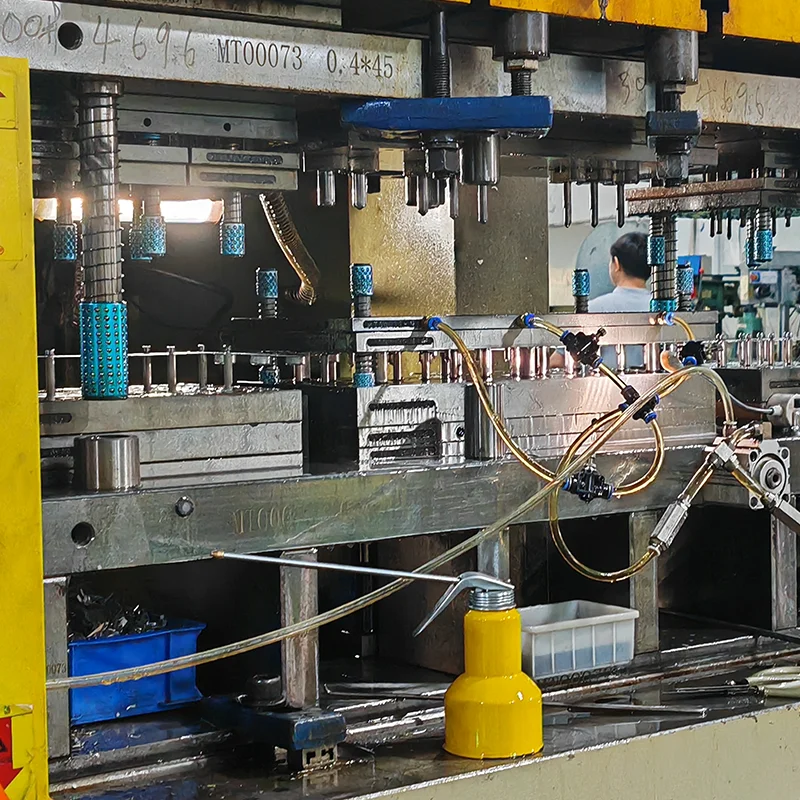
Stamped and formed terminals are produced from flat metal strips using progressive stamping dies. The material is cut, shaped, and formed into terminal geometry in a continuous high-speed production process.
These are commonly used in:
- Consumer electronics
- Automotive harness systems
- Appliance wiring systems
- Compact electrical assemblies
Key Technical Features of Stamped/ Formed Terminals:
- High-speed progressive stamping process for mass production efficiency
- Lower material waste compared to tubular designs
- Flexible geometries, including custom spade terminal and hybrid shapes
- Cost-effective for large-scale OEM production
- Suitable for automated wire assembly systems
- Compatible with standard terminal connectors applications
Stamped terminals prioritize scalability and cost efficiency. While they may not match tubular designs in extreme load conditions, they offer excellent consistency and are ideal for high-volume manufacturing environments.
Distinguishing Factors: A Technical Comparative Overview
When comparing both technologies, the selection depends on application requirements:
Mechanical Strength:
- Tubular ring terminals > higher tensile and vibration resistance
- Stamped terminals > moderate strength, optimized for cost efficiency
Manufacturing Method:
- Tubular: formed from copper tubing
- Stamped: produced via progressive stamping from sheet metal
Electrical Performance:
- Tubular: lower resistance, higher conductivity consistency
- Stamped: slightly higher resistance depending on thickness
Cost Structure:
- Tubular: higher material and processing cost
- Stamped: optimized for mass production and affordability
Application Fit:
- Tubular ring terminals: battery systems, heavy-duty industrial use
- Stamped terminals: automotive harnesses, electronics, OEM assemblies
Choosing the Right Terminal
Selecting between tubular and stamped designs depends on three engineering priorities:
- Electrical load requirements – higher current systems favor tubular designs
- Mechanical stress environment – vibration-heavy applications require ring terminals
- Production volume and cost targets – stamped terminals excel in high-volume OEM programs
For hybrid systems, many manufacturers combine both technologies within the same harness design to optimize performance and cost efficiency.
Why Choose Our Factory
At Topmetalstamping, we provide full-spectrum engineering support for OEM clients seeking reliable terminal connectors solutions. Our production capabilities include:
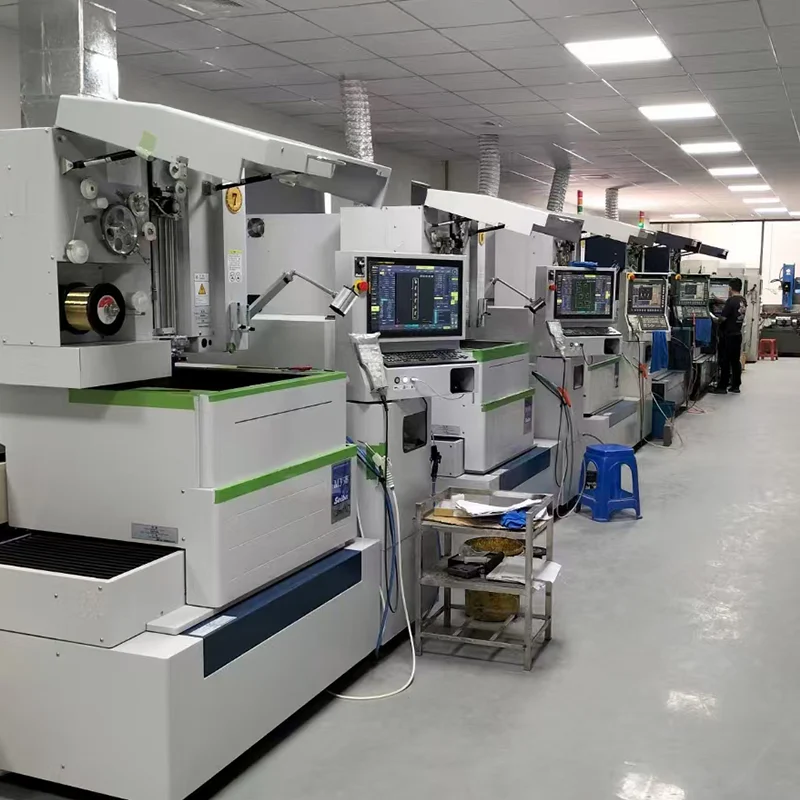
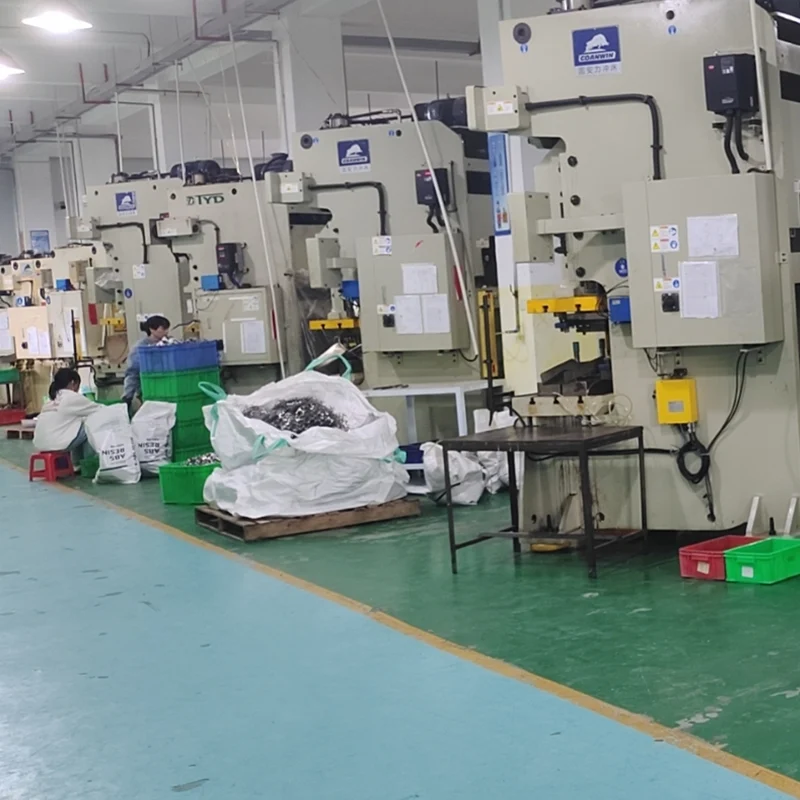
- Advanced progressive stamping lines and precision tooling systems
- Automated crimp force and pull-force testing equipment
- Salt spray, conductivity, and fatigue testing laboratories
- One-stop service: design, tooling, production, and packaging
- OEM/ODM customization for ring terminal, spade terminal, and hybrid designs
- Strict quality control aligned with international automotive and industrial standards
Recommended Custom Solution
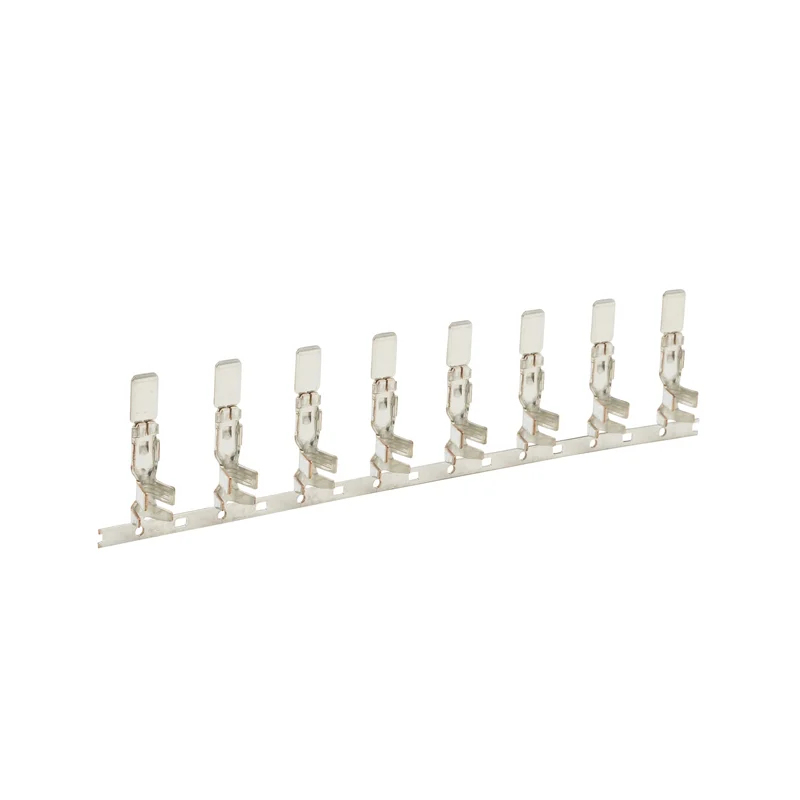
We recommend our Custom Crimp Female Terminal Connector for clients requiring stable electrical performance and scalable production.
Advantages:
- High-precision crimp geometry for consistent wire retention
- Optimized conductivity for automotive and industrial systems
- Customizable dimensions for different wire gauges
- Compatible with automated assembly lines
- Cost-efficient for OEM and mass production projects
With our advanced manufacturing equipment, precision stamping technology, and one-stop OEM service, we help clients reduce production risk while improving long-term product reliability.
Conclusion
Choosing the right terminal structure directly impacts system safety, durability, and cost efficiency. Whether you need tubular strength or stamped efficiency, Topmetalstamping provides engineered solutions backed by years of manufacturing expertise.
If you’re developing a new project or upgrading your existing terminal connectors system, our engineering team is ready to support you from design to production.
Let’s discuss your next connector solution — what performance challenges are you trying to solve?
FAQs
1. What is the main advantage of a ring terminal over a spade terminal?
A ring terminal provides a closed-loop connection, making it more secure in high-vibration environments compared to a spade terminal, which can be disconnected more easily.
2. Are stamped terminals suitable for high-current applications?
Stamped terminals can handle moderate currents, but for high-load systems, tubular terminal connectors are generally preferred due to better conductivity and strength.
3. What materials are used in battery terminal connectors?
Most battery terminal connectors are made from copper or tinned copper to ensure low resistance and corrosion protection.
4. How does crimp quality affect connector performance?
Poor crimping increases resistance and heat buildup. Properly engineered crimp connectors ensure stable mechanical and electrical performance.